

























































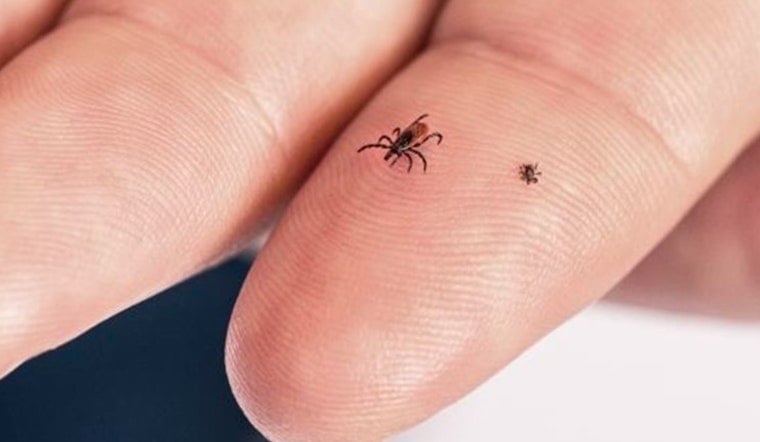
Across North Carolina, allergists are seeing more patients who suddenly cannot handle a burger or barbecue plate after a tick bite. The culprit is alpha‑gal syndrome, an allergy that can trigger delayed anaphylaxis several hours after eating beef, pork or lamb. Early signs often look like basic indigestion or a bad case of food poisoning, which means many people shrug it off and wind up delaying diagnosis and treatment.
Federal data show more than 110,000 suspected alpha‑gal cases were identified between 2010 and 2022, and researchers estimate the real count could be as high as 450,000 nationwide, according to CDC. The agency also warned on April 23 that emergency‑department visits for tick bites this spring have climbed to their highest weekly rates for this point in the season since 2017, in a CDC release. Public‑health officials say that jump in tick encounters is likely helping drive the rise in alpha‑gal diagnoses.
Scott Commins, a professor of medicine at UNC Chapel Hill who studies the allergy, told The Charlotte Observer that fattier cuts of meat tend to provoke stronger reactions and that the number of new alpha‑gal patients in his clinic has climbed in recent years. Commins said clinic data suggest roughly 70% of people with alpha‑gal will have anaphylactic responses, although he emphasized that the risk of death appears to be very low.
How to Reduce Your Risk
Local experts say anyone spending time in the woods, fields or even a scrubby backyard should take simple tick precautions. That means wearing long pants and tucking them into socks, treating clothing or gear with permethrin, and using an EPA‑registered insect repellent. North Carolina State Extension spells out these steps and also recommends prompt, careful tick removal and saving the tick for identification if you get sick afterward, according to NC State Extension.
Why Ticks Are Increasing
Entomologists point to a mix of milder winters, shifts in land use and growing deer populations that together make life easier for lone star ticks. Studies tracking Amblyomma americanum distribution and abundance show the species’ range has expanded in recent decades, increasing the odds that people will encounter ticks capable of triggering alpha‑gal, according to PubMed Central.
How Serious Is It?
Most alpha‑gal reactions involve hives, gastrointestinal distress or breathing trouble, but for some patients the allergy can be life‑threatening. Researchers documented the first confirmed fatality tied to an alpha‑gal reaction in a case study that drew national attention and was reported by NBC News. Local specialists note that deaths remain rare and say that avoiding additional tick bites generally allows antibody levels and symptoms to decline over several years.
When to See a Doctor
If you develop hives, swelling, trouble breathing or severe stomach pain several hours after eating red meat, clinicians recommend talking with a doctor or allergist about testing for alpha‑gal IgE. After systemic reactions, allergists often advise patients to avoid mammalian meats entirely and to carry an epinephrine auto‑injector. Many people see their antibody levels and symptoms improve within three to five years as long as they do not receive more tick bites, experts told The Charlotte Observer.



