

























































New statewide salary data paint a familiar, frustrating picture for Texas educators. Teachers often walk into the classroom with starting pay that looks decent on paper, then watch their earnings slide behind the national curve as the years go by. Paired with low per-student funding and stagnant support staff wages, the result is a growing squeeze on districts from Austin to the Gulf Coast.
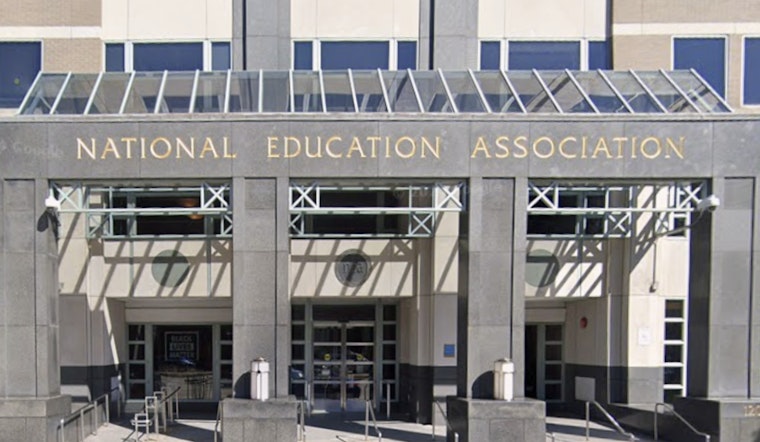
According to a report by the National Education Association, Texas’ average starting teacher salary is $49,465, which ranks 18th in the country. The story changes once teachers get some experience: the state’s overall average teacher pay comes in at $63,749, ranked 33rd and sitting well below the national average of $74,495. NEA tables also show Texas teachers earning about $0.76 for every dollar made by similarly educated workers and peg a minimum living wage benchmark for the state at roughly $58,544. The association links those gaps to ongoing recruitment and retention problems that districts have struggled to shake.
As reported by the Houston Chronicle, support staff are even further behind. K-12 education support professionals in Texas average about $33,481, while higher-education faculty average roughly $103,484. The Chronicle also emphasized the scale of the system: Texas has 1,208 public school districts serving about 5.54 million K-12 students and employing nearly 369,791 classroom teachers and 434,430 instructional staff. With numbers that large, any funding shortfall is felt quickly and widely in local schools.
Per-student spending lags most states
NEA state rankings show Texas spends about $12,815 per student, which lands the state at 46th nationally. That relatively low figure feeds directly into tighter district budgets and lower average teacher pay. The per-pupil estimate, drawn from NEA’s fiscal year 2024-25 data, also helps explain why districts are leaning on local supplements, targeted stipends and incentive allotments in an effort to keep classrooms staffed. Advocates warn that those patchwork fixes are no substitute for a long-term commitment to higher, more stable funding.
State funding moves, but distribution matters
Lawmakers signed off on a major public-education package last year that steered roughly $8.5 billion in new funding to schools, including billions that can be used for teacher and staff compensation. The House Research Organization analysis of 89th-Legislature measures notes that the law creates new allotments and incentive programs aimed at boosting pay. How much teachers actually feel, though, will hinge on district decisions about whether to channel the money into permanent base salary increases, one-time bonuses or narrowly targeted stipends.
Districts are filling gaps with local money and incentives
Across Texas, districts are trying to stretch the new state aid with local strategies. An HISD budget bombshell would centralize payroll and deliver targeted raises for high-need campuses, while other districts have rolled out aggressive incentive packages of their own. Hoodline reporting notes that Fort Worth and San Antonio have approved high-pay plans for hard-to-staff campuses and specialized roles, offering six-figure salaries in some cases and one-time stipends in others. The experiments highlight how uneven teacher pay can look from district to district, even after a big statewide funding push.
Research tying compensation to retention backs up those concerns. Policy briefs from the Economic Policy Institute, along with academic studies, find that raising base teacher pay reduces turnover, particularly at high-need schools, and improves districts’ chances of keeping experienced educators in the classroom. That evidence underpins educator and advocate calls for structural, ongoing pay increases rather than a reliance on short-term bonuses.
For now, the NEA tables offer a blunt snapshot. Texas can point to relatively strong starting salaries in many districts, yet the overall averages, low per-student spending and uneven local responses still leave many classrooms exposed. The real test will be how districts deploy the new state allotments and whether next year’s NEA and Texas Education Agency numbers show that any of this money actually moved the needle.



