

























































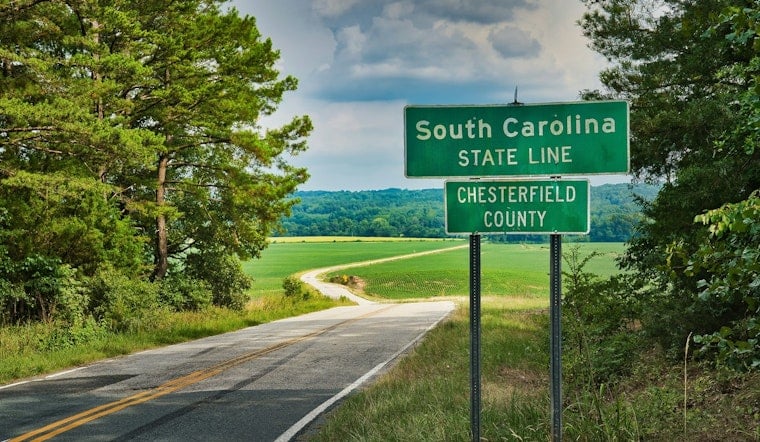
South Carolina lawmakers nudged a major transportation overhaul closer to the finish line on April 30, advancing a bill that would let the state build tolled "choice" lanes and cut deals with private companies to help pay for them. The proposal reaches all the way to the North Carolina border and throws fresh fuel on the already hot debate over the I‑77 South express‑lanes project that North Carolina officials want to build from Uptown Charlotte to the state line.
What S. 831 Would Change
S. 831 would create a new Coordinating Council for Transportation and Mobility, authorize the South Carolina Department of Transportation to enter public‑private partnership agreements, expand the legal authority to charge tolls on managed or "choice" lanes, and let the agency seek federal NEPA assignment for environmental permitting, among several procurement and financing tweaks, according to the South Carolina Legislature. The bill cleared the Senate in March on a 37‑1 vote, moved through the House with changes, and sat in a conference committee as of April 30, 2026. Supporters argue the new tools are meant to speed up big projects that the existing gas tax simply cannot cover.
Why Lawmakers Say Tolls Are On The Table
Senate Transportation Chairman Larry Grooms has pitched the package as a way to "supercharge" South Carolina's road‑building capacity and says choice lanes are critical if the state wants to tackle multi‑billion‑dollar widenings, Statehouse Report/Charleston City Paper reports. Co‑sponsor Sen. Sean Bennett told States Newsroom that with construction costs climbing and the population booming, traditional funding will not wipe out the backlog of needed work, and that optional toll lanes and public‑private partnerships could help close the gap.
Why Charlotte Should Pay Attention
The timing is touchy because North Carolina's own I‑77 South project would add roughly 11 miles of express lanes from the Brookshire/Belk Freeway area down to the South Carolina state line, a $3.2 billion effort that the NCDOT says will hit a draft request for proposals in late June 2026. The agency describes the plan as a way to improve safety and tame congestion, but neighbors and local officials have flagged worries about how the lanes could reshape nearby communities. Lawmakers in Columbia have already hinted that the bill's choice‑lane authority could come into play on clogged corridors that touch York County, just across the state line from Charlotte, and local coverage first spotlighted that cross‑border angle, as WCNC noted.
Local Backlash And Political Stakes
In Charlotte, elected leaders and neighborhood groups have pressed the NCDOT to slow down, study alternatives, and listen more, with a majority of City Council members publicly asking for delays while talks continue, according to Axios Charlotte and other public‑radio reporting. Opponents argue that choice lanes risk shifting costs onto lower‑income commuters who cannot afford to "buy" their way out of traffic and warn that long‑term private contracts can lock in terms for decades. Supporters counter that without toll revenue, many of these big projects would never get off the drawing board.
Legal Hurdles And Cross‑Border Complications
The bill does not offer SCDOT a blank check. It bans tolling existing interstate lanes that were in place on Jan. 1, 1997 unless lawmakers separately sign off and limits usage charges to new managed or choice‑lane capacity. It also would let SCDOT pursue a NEPA assignment to handle federal environmental reviews itself and enter reciprocal agreements with neighboring states for joint public‑private partnership projects. Those steps would require federal approvals and new coordination between governments if used on an interstate that crosses state lines, which is why the legal and permitting process looms large over any potential I‑77 effort, according to legislative summaries and reporting from States Newsroom.
What Happens Next
The bill now sits in a conference committee in Columbia, where House and Senate negotiators will try to merge their competing versions while, up the road, the NCDOT keeps hosting community meetings along the I‑77 corridor and prepares that draft RFP for developer teams in late June 2026. The NCDOT says the final design will not be wrapped up until at least the end of 2027 and that construction is not expected to begin until the early 2030s. That leaves a runway of months for state lawmakers, local officials, and residents on both sides of the border to weigh in on how, or whether, tolled lanes should reshape the Charlotte‑to‑South Carolina commute.





