

























































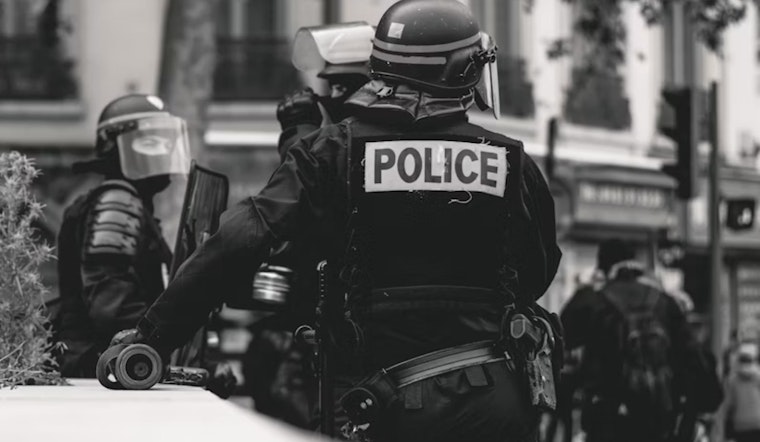
On a campus more used to midterms than mass federal deployments, a roomful of Twin Cities volunteers was saluted for something far different from homework: months spent tracking and recording an immigration dragnet in their own neighborhoods.
Volunteer community observers who documented federal immigration enforcement across the metro were honored at a Minnesotans for Open Government awards ceremony on the University of Minnesota campus. The grassroots network trained as “constitutional observers” to watch, film, and record ICE and Border Patrol activity during a months-long enforcement surge, turning everyday eyewitness accounts into evidence that journalists, lawyers, and courts could actually use.
At the event, Minnesotans for Open Government presented its John R. Finnegan Freedom of Information Award to the community observer network and gave the John Borger Lifetime Achievement Award to Jane Kirtley of the Silha Center. MaryJo Webster, chair of Minnesotans for Open Government, said the observers “showed the nation how defenders of truth can mobilize the power of single individuals to shape public dialogue.” As reported by the Pioneer Press, the ceremony featured remarks from legal and journalism leaders who have leaned on the observers’ work.
The award highlights how widespread the effort became. The Immigrant Defense Network and partners registered nearly 30,000 trained “constitutional observers” across 77 of Minnesota’s 87 counties this winter, according to MPR News. A constitutional observer is a trained community member who watches federal enforcement activity, documents potential abuses, and keeps an eye on whether constitutional rights are respected. Organizers say the massive sign-up reflected the speed and intensity of the federal deployments.
The honors arrive against the backdrop of an aggressive federal operation and several high-profile incidents that have rattled the Twin Cities. “Operation Metro Surge” brought hundreds, at times thousands, of DHS personnel into the area and was followed by deadly encounters, including the shootings of Renée Good and Alex Pretti by federal agents earlier this year. Both deaths fueled protests and intensified scrutiny of enforcement tactics, as documented by CBS News and other outlets.
Observers say their work sometimes landed them squarely in the middle of those confrontations. U.S. citizen Susan Tincher, who had been acting as a citizen observer, was detained by ICE during an early December action and held at the Whipple Federal Building. ICE said she assaulted an agent and ignored lawful commands, while Tincher and her supporters insist she was simply documenting the operation. The standoff over what happened played out publicly after KSTP reported on the incident and ICE’s statement.
Researchers compiling enforcement data say the numbers explain why volunteers felt compelled to keep their cameras rolling. The Deportation Data Project’s tally, reported by the Minnesota Reformer, shows ICE arrested more than 3,700 people in Minnesota during the surge, and that only a minority had criminal convictions. Organizers argue that the gap between rhetoric and reality is exactly why community documentation mattered.
Legal Fallout And Scrutiny
The observers’ videos and notes have not just driven headlines; they have become part of the legal record. The Hennepin County Attorney’s Office and the Minnesota Bureau of Criminal Apprehension have sued the federal government for access to evidence tied to several fatal encounters, while plaintiffs have filed class-action cases challenging DHS practices during the surge. The county’s lawsuit announcement is posted by the Hennepin County Attorney’s Office, and an overview of related litigation is tracked by Just Security.
Why The Award Matters
For organizers, the award is not just a pat on the back. It is meant to lock in the idea that community observers now serve as a kind of neighborhood watchdog for federal power. Their photos, videos, and field logs have supplied newsrooms, public defenders, and civil rights attorneys, they say, and helped shift how Minnesotans talk about Operation Metro Surge.
Webster framed the recognition as a tribute to “defenders of truth” who took quiet acts of watching and turned them into public records that can influence courtrooms and policymaking, as reported by the Pioneer Press.
As lawsuits and oversight fights move forward, the volunteers who stepped on stage for the plaque say they will keep showing up on sidewalks and street corners with their phones and notebooks. Whether courts, prosecutors, or the public ultimately change policy is an open question, but the ceremony made one thing clear: in Minnesota, federal immigration enforcement is now being watched as closely as it is being carried out.


