

























































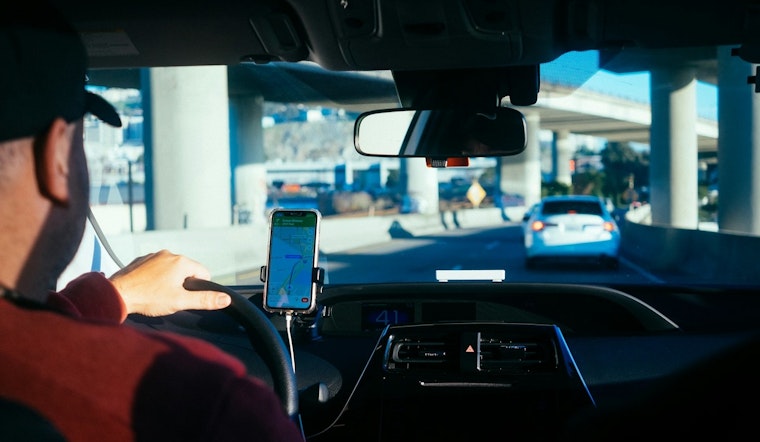
Twin Cities rideshare drivers say the jump at the pump has turned their once-reliable side hustle into a borderline losing game. Many report filling up more often, trimming hours, and wondering if the apps are still worth the headache as fuel costs chew through already thin margins for both full-timers and weekend warriors.
The state average price for a gallon of regular gas landed around $4.41 on May 15, with the Minneapolis–St. Paul metro closer to $4.51, according to AAA. A photo snapped at a station on St. Paul’s West Side this month showed $4.34 a gallon, a snapshot of local reality highlighted by MPR News.
Drivers say those numbers translate quickly into less money in their pockets and a new strategy for which rides they accept. As reported by CBS Minnesota, one driver warned, "I'm not even making half of what we did a year ago today," while others described skipping shifts or declining short trips that barely cover the fuel it takes to complete them.
Rideshare Relief Programs Fall Short
Uber and Lyft have rolled out temporary fuel discounts and cash-back offers, but drivers say the fine print and limited scope dull the impact and tend to reward higher-tier or heavy-use drivers most. Uber’s package, which mixes Upside discounts, Shell Fuel Rewards and cash back through the Uber Pro card, runs through late May and can add up for top-tier drivers, according to the Los Angeles Times. Local coverage has documented similar short-term relief windows along with persistent complaints from Minnesota drivers that the help is nowhere near enough, FOX 9 reported.
Why Prices Jumped
Analysts point to global oil-market turmoil combined with tight regional refinery and pipeline capacity, a mix that leaves Twin Cities pump prices especially jumpy. Overseas conflicts and constrained supply lines have pushed costs higher in recent weeks, according to earlier reporting in the Star Tribune.
That pressure has riders and drivers alike looking to policymakers for a longer-term fix. State bill language and driver-group testimony outline ideas such as a one-time "rideshare drivers fund" and minimum-per-mile pay rules as options lawmakers and organizers are weighing, according to documents from the Minnesota House of Representatives and in driver filings with the Legislature.
For now, many drivers say the math simply does not work and warn riders to expect patchier availability, especially during lower-paying hours. Until either gas prices cool off or the platforms and policymakers hammer out a more durable fix, drivers say they will keep cutting back shifts, chasing only the most lucrative windows or rethinking the gig altogether.





