

























































A catalytic-converter theft in Seattle’s University District has exploded into a sprawling investigation that now includes a suspected cockfighting operation, stolen heavy equipment and multiple vehicles on a five-acre property in Auburn, according to investigators. When officers served a search warrant at the rural site, they say they found more than 100 roosters along with the suspected stolen items. Animal control and property-crimes detectives are now working through a mountain of birds and evidence while they figure out what charges might come next.
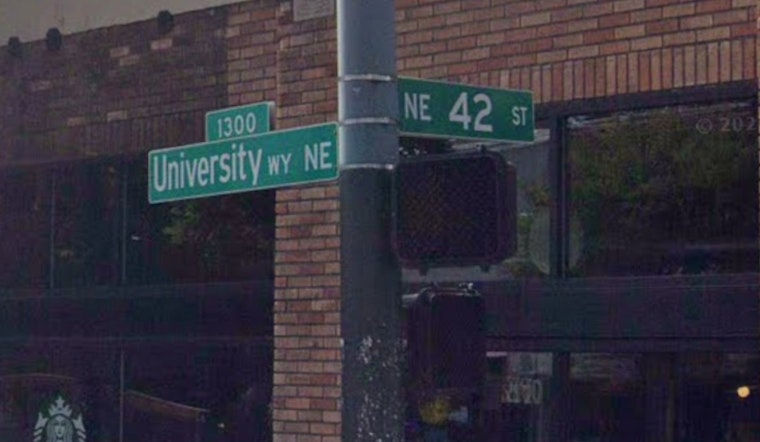
The case started on March 27, when officers spotted two people cutting off a catalytic converter near University Way NE and NE 42nd Street. Detectives later secured cellphone video and a license-plate read that traced a vehicle from the University District scene to the Auburn property, according to KING 5. Seattle police called in a SWAT team to execute the warrant. Investigators say they recovered 13 catalytic converters, eight vehicles believed to be stolen and a stolen excavator. King County animal control was brought in to take custody of the birds and manage the suspected cockfighting side of the case.
“The theft investigation was worth about $12,000,” Detective Eric Muñoz told KING 5. Detectives say they have video that shows suspects driving away from the University District scene and are preparing to refer auto-theft and catalytic-converter cases to prosecutors. So far, no arrests have been announced. Authorities are asking anyone in the area to review doorbell or dash cam footage from March 27 that might show the incident.
How this fits a larger pattern
Investigators say what they found in Auburn mirrors a broader pattern: small, quick converter thefts that feed into larger organized networks handling resale and distribution. In one recent Southern California operation involving multiple agencies, authorities seized roughly 1,800 catalytic converters, highlighting how fast this kind of scheme can scale, according to the Los Angeles Times. The precious metals inside converters, combined with how quickly thieves can cut them from vehicles, make them a popular target for crews who then funnel the parts through storage or scrap channels.
Legal and animal-welfare implications
Cockfighting is illegal across the United States, and animal-law groups point out that related prosecutions can involve felony charges and complex investigations because fighting operations are often secretive and mobile. The Animal Legal Defense Fund notes that cockfighting is outlawed in all 50 states and is a felony in many jurisdictions, which makes coordination with animal-control officers critical for handling evidence and animal custody. Regional Animal Services of King County provides animal control and shelter services in the county and will care for the seized birds while investigators review potential cruelty or fighting-related violations; county guidance outlines how animal-control units manage seized animals and associated evidence.
What comes next
Police say detectives will keep sorting through the recovered vehicles, catalytic converters and other evidence before deciding which cases to formally refer to prosecutors. For vehicle owners nervous about converter theft, national experts highlight straightforward prevention steps: parking in well-lit areas, installing shields or using VIN etching, and keeping an eye on surveillance cameras and recorded footage. Investigators stressed that community video and tips helped make this case possible and urged anyone with footage tied to the March 27 theft to contact Seattle police.





