

























































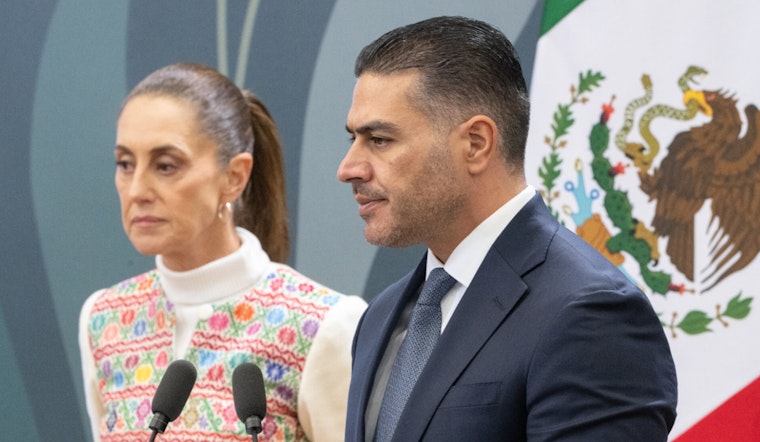
The United States and Mexico spent this week swatting down media reports that the Central Intelligence Agency took part in lethal operations on Mexican soil. Mexican leaders and the agency itself have sharply rejected claims that U.S. officers were directly involved in an operation that left an alleged cartel operative dead outside Mexico City. The public denials underline how sensitive, and potentially explosive, any covert action on Mexican territory would be for relations between the two governments.
How the reporting unfolded
CNN published an exclusive report claiming the CIA’s elite Ground Branch had, since 2025, participated directly in several lethal strikes inside Mexico, including a March car explosion that killed Francisco Beltrán, known as “El Payín,” on a highway near Felipe Ángeles International Airport. According to that account, the operations ran the gamut from intelligence sharing to hands-on participation in targeted assassinations, a scenario that, if accurate, would mark a sharp escalation of U.S. covert activity in the country. The story was then picked up by local outlets after CNN’s initial report, as noted by KTVZ.
Official pushback
Mexican President Claudia Sheinbaum publicly branded the CNN reporting “a lie” and rejected any version that suggests covert, lethal foreign operations are taking place in Mexico. A CIA spokesperson, posting on social media, blasted the coverage as “false and salacious.” Officials on both sides framed their response around Mexican sovereignty and the need for cooperation to be clearly authorized and tightly coordinated. The Associated Press reported Sheinbaum’s remarks along with the CIA spokeswoman’s statement.
What The New York Times found
The New York Times followed with its own account that painted a different picture. Its reporters said Mexican forces carried out the March operation, while U.S. intelligence provided planning and targeting support, and that CIA officers were not present at the scene. That version stands in sharp contrast to CNN’s description of direct CIA involvement, and it underscores how much remains murky about who exactly authorized, planned, or led specific actions. Further details are laid out in reporting by The New York Times.
How Mexico framed it
Mexico’s security minister, Omar García Harfuch, said the government “categorically rejects” any narrative that would normalize lethal, covert or unilateral foreign operations on Mexican soil. He stressed that security cooperation must respect national sovereignty and be grounded in mutual trust. That stance reflects deep political sensitivity in Mexico over perceived U.S. fingerprints on domestic security moves. International wire reporting captured García Harfuch’s comments and the broader reaction, including coverage from Reuters.
Why this matters now
The uproar comes on the heels of an April incident in Chihuahua in which two U.S. Embassy officials, later identified as CIA officers, died in a vehicle crash following a counter-narcotics action. That episode had already strained trust between Mexico City and Washington. Layer on public pressure from the U.S. administration to crack down harder on cartels, and the conflicting media accounts have turned questions about operational transparency and clean lines of authority into an urgent political issue. AP and other outlets have tracked the sequence of events that brought these tensions into the open.
Diplomatic and legal stakes
Under Mexican law, foreign agents are required to register with the government and coordinate their activities with federal authorities. Mexican officials argue that any uncoordinated lethal action by another country’s operatives on their territory would cross that legal line. The public dispute over who did what, and whether U.S. personnel were physically on the ground during specific operations, will test whether Washington and Mexico can keep counter-cartel cooperation intact without suffering a deeper rupture. Al Jazeera lays out the legal framework in more detail.
For now, officials in both capitals say they will push for clarity behind closed doors while publicly insisting that U.S. operatives did not stage lethal strikes inside Mexico. The clash over competing narratives highlights how hard it is to manage clandestine collaboration once political pressure and public scrutiny collide.




