

























































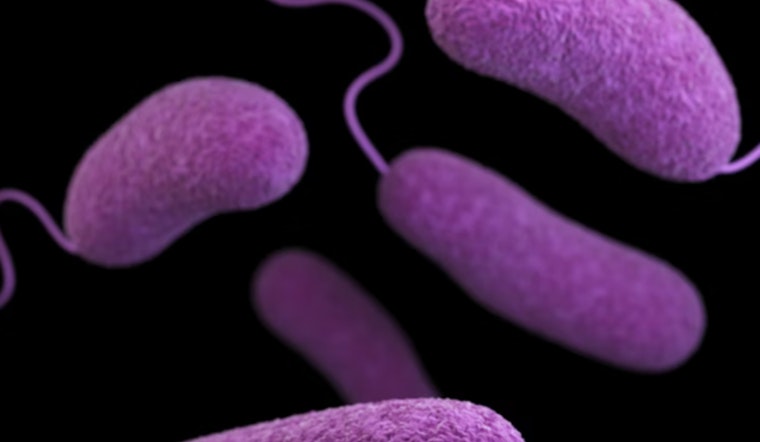
University of Florida researchers are kicking off a yearlong water-sampling campaign in Tampa Bay to chart where Vibrio vulnificus, the so-called "flesh-eating" bacterium, is most concentrated. The team wants to turn that map into a forecast that can flag high-risk shorelines days to weeks before conditions favor dangerous bacterial growth.
The effort will rely on repeated sampling at sites across the bay and hotspot mapping to train an algorithm, as reported by WTSP. Project lead Dr. Antarpreet Jutla told reporters the system could eventually give roughly two to three weeks' warning when vibrios are likely to spike, and that the team expects one year of intensive sampling followed by two to three years of development before a working prototype is ready.
How the forecast would work
The approach combines on-the-water sampling with environmental data such as water temperature, salinity, chlorophyll and other indicators, along with satellite and sensor feeds, to power a statistical model. A recent peer-reviewed paper co-authored by Jutla showed that predictive models can forecast vibriosis risk up to about a month in advance, giving a scientific foundation for an operational warning system, as published in Applied and Environmental Microbiology.
State numbers and recent cases
Florida has seen a marked rise in severe Vibrio infections. The state logged 161 confirmed Vibrio vulnificus cases and 35 deaths across 2023 to 2025, according to the Florida Department of Health. Local reporting notes five cases so far in 2026, including one in Hillsborough County as of May 9, 2026, figures first shared by WTSP.
Why Tampa Bay is particularly vulnerable
Researchers say storm surge and heavy rainfall can leave behind pockets of warm, brackish, nutrient-rich water where vibrios thrive, a pattern documented after Hurricane Ian and other events. Talking about post-storm sampling, Jutla told the Tampa Bay Times that "to our surprise, almost every sample was positive," underscoring how extreme weather can amplify local risk.
Precautions for locals
State health guidance stresses that people with liver disease, diabetes, weakened immune systems or open wounds should steer clear of warm, brackish water and skip eating raw shellfish, according to the Florida Department of Health. Officials also recommend covering fresh wounds, wearing protective footwear when wading and seeking immediate care for any signs of a rapidly worsening wound infection.
Researchers caution that a robust warning system will take time to build, but say it could eventually give beach managers, shellfish harvesters and everyday bay-goers a practical heads-up to reduce exposures. Until that system exists, awareness and conservative seafood and wound-care habits remain the best defenses against severe Vibrio infections.





