

























































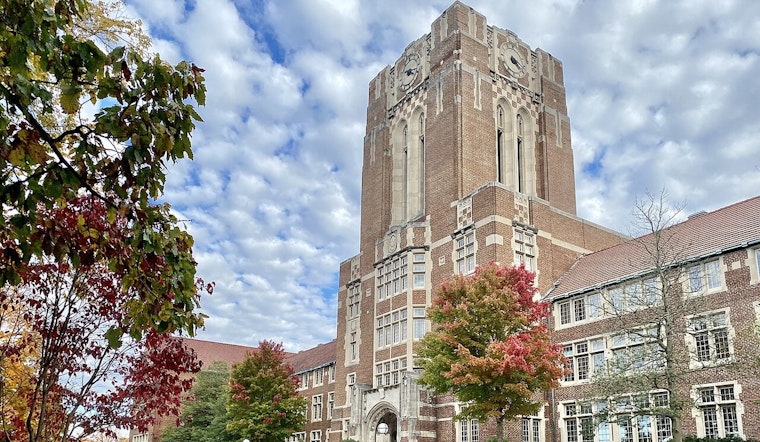
The University of Tennessee at Knoxville advisory board has given a preliminary thumbs-up to a $2.53 billion operating budget that would nudge up tuition, housing, and meal plans while bumping pay for some hourly campus employees. The percentage increases are relatively small, but they still mean real money for students this fall and raise fresh questions about how the campus is juggling rapid growth with affordability.
As reported by the Knoxville News Sentinel, the advisory board signed off on a proposal that would raise combined tuition and mandatory fees for in-state undergraduates by about $148 and for out-of-state students by about $174. The nonresident tuition piece would go up by roughly $968, pushing the preliminary total annual cost to about $14,024 for in-state students and about $34,478 for out-of-state students. With fall enrollment projected near 42,600, the university estimates the changes would generate roughly $62.67 million in additional revenue.
What the Proposal Actually Changes
The budget package reaches beyond tuition. Advisory materials show that housing rates would rise roughly 3% to 10%, depending on the unit; meal plans would climb about 6.5%, and several mandatory fees would increase as well, including facilities, transportation, and course materials or access fees. Faculty and staff parking is also in line for price hikes, moves the university says are intended to help cover rising operating costs and campus investments.
Where This Fits in the System Budget
Tuition and mandatory fees already represent a big slice of UT’s operating revenues. The university’s budget documents note that tuition and fees account for roughly half of system revenue and have powered recent growth in the operating plan. That systemwide picture helps explain how relatively modest increases per student can add up to tens of millions of dollars that leaders say are needed for pay and campus priorities. The University of Tennessee budget book lays out that revenue context and the financial backdrop for the Knoxville proposal.
Next Steps and Timeline
The advisory board’s vote now sends the plan to the UT System Board of Trustees for final action. According to reporting, trustees are scheduled to take up operating budgets at their annual meeting the week of June 29 to 30 at UT Southern in Pulaski. If they approve the Knoxville package, the new rates would kick in this fall, although the board can still tweak or reject pieces of the plan before it becomes final. The Knoxville News Sentinel has the advisory board materials and coverage of the vote.
The proposal also carries a targeted pay change for campus workers: regular hourly employees would see the campus minimum rise from $15 to $18 an hour, a shift that advisory materials say would affect about 411 current UT employees. University budget documents show that salary pools and state appropriations remain key tools administrators use to balance compensation, tuition, and services across the system. The University of Tennessee budget book details the broader salary-pool and appropriation landscape that trustees review during the annual budget process.
Campus leaders told the advisory board they tried to keep per-student increases modest while dealing with inflationary costs and service demands, pointing to scholarship and aid programs as ways to soften the blow for lower-income students. Final numbers and any trustee changes are expected to be published after the late-June meeting, and students, families, and staff will see the approved rates in official campus communications and billing notices once the votes are complete.





