

























































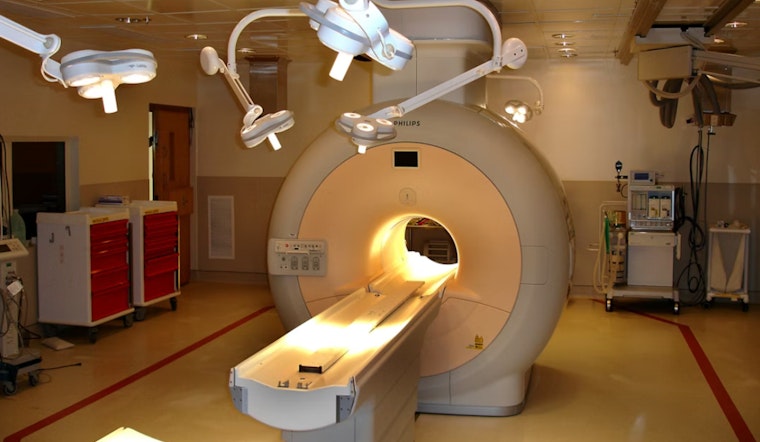
In Utah, the price of a single MRI can look like two completely different worlds: one bill from a hospital that can climb into the thousands, and another from a clinic down the street that flatly advertises $399. Freestanding imaging centers are pushing simple cash prices and quick appointments, while hospital outpatient departments layer on facility fees and insurer‑negotiated rates. That stark contrast is fueling a broader national fight over how medical care is priced and who gets stuck with the tab.
A sponsored explainer on KSL recently held up TaylorMED as a local case study. TaylorMED's website lists four Utah locations, a $399 "no‑insurance‑needed" cash price, same‑day appointment options and radiology reports promised within 24 business hours, and it invites patients to call (385) 831‑7674 to schedule. Together, those details help explain why so many Utahns are being nudged toward cash‑pay imaging outside the hospital system.
Why hospitals charge more
A big driver of the price gap is the facility fee, an extra charge hospitals tack onto outpatient bills. As GoodRx explains, these fees are meant to cover hospital overhead and are increasingly appearing on bills for same‑day clinics, telehealth visits and diagnostic scans. The result is that the same MRI can cost far more when it is billed as a hospital outpatient service than when it is done in an independent clinic.
The pattern is not just anecdotal. A national analysis in Health Affairs found that posted cash prices were lower than the median negotiated commercial rate in about 47% of reported cases. That finding highlights how insurer negotiations and hospital market power can shape the final number a patient sees on a bill.
How independent imaging centers compete
Independent imaging centers try to win patients by keeping the math straightforward. Instead of layering on a separate facility fee, they typically advertise a single cash price so patients know what they will owe up front. TaylorMED MRI, for example, says it offers board‑certified radiologist reads, a price‑match guarantee and fast report turnaround, and it posts its prices publicly to reduce surprise charges.
Patients who are shopping around can also check for accreditation. The American College of Radiology accredits imaging facilities and sets standards for equipment, staffing and quality, giving patients one more data point beyond the price tag alone.
How to shop and what to ask
Before locking in an MRI, one key question can save serious money: ask whether the quoted amount is the full cash price and whether a separate facility fee will appear on the bill. If that extra charge is part of a hospital outpatient visit, the total can jump by hundreds of dollars.
Patients who are uninsured or choosing to self‑pay have additional protections. Federal rules give them the right to a written Good Faith Estimate of expected charges, and the federal CMS toolkit explains how to request one and what details it must include.
If a bill later shows up with surprise line items, consumer guides suggest asking for an itemized statement, questioning unexpected facility fees with the hospital billing office and, if the dispute is not resolved, filing complaints with state or federal agencies. Practical how‑to advice along those lines is summarized by GoodRx.
Policy pressure and what's next
The MRI price gulf is also catching lawmakers' eyes. State tracking groups and policy briefs point to a growing wave of legislation aimed at banning or limiting facility fees altogether. In North Carolina, for instance, local hearings put hospital executives on the defensive over so‑called "mystery" charges, as reported in a piece where lawmakers grilled hospitals over mystery fees. A compilation from United States of Care highlights states that have already taken steps to rein in the practice.
Those policy pushes, combined with ongoing enforcement of federal price‑transparency rules, are among the main levers advocates see for shrinking the gap between hospital and clinic prices over the long haul.
The takeaway for patients is more immediate: if your deductible is not yet met, the posted cash price at an independent imaging center can sometimes undercut the insured price at a hospital. Still, cost is not the only factor. Quality, accreditation and follow‑up care matter too. Asking billing questions in advance, requesting a written estimate when possible and comparing accredited facilities before you schedule can reduce the odds that your next scan comes with a nasty surprise in the mail.





