

























































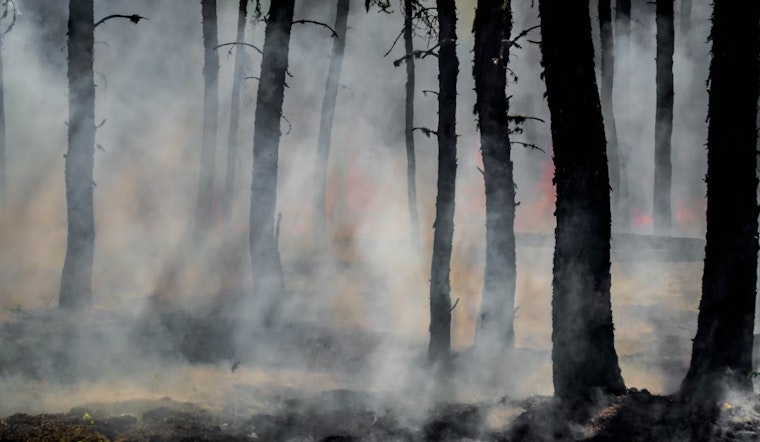
Utah is heading into what state leaders say could be a "dangerous" wildfire season, after an unusually warm, dry winter left hillsides and forests crackling with potential. Gov. Spencer Cox said this week the state is on high alert and warned that even minor slip-ups outdoors could touch off big burns. With the snowpack vanishing months ahead of schedule, communities across central and southern Utah are staring at an elevated threat far earlier than they would like.
Cox told reporters he expects to issue a drought declaration soon, according to Axios. State records cited by Axios show 117 wildfires have already scorched about 981 acres this year, and roughly 87% of those ignitions are believed to be human-caused. Officials are pleading with residents to go back to basics: drown and stir campfires, avoid parking hot vehicles on dry grass, and be careful with equipment that can throw sparks.
Zooming out, the national numbers are not exactly comforting. The National Interagency Fire Center's year-to-date statistics show about 1.87 million acres have burned across the country so far, a pace that is stretching firefighting resources. "That's nearly double the year-to-date 10-year average, and the highest year-to-date figure since 2017," Axios noted. That broader backdrop helps explain why Utah officials are treating the state's early-season flames as more than just a nuisance.
Snowpack Collapse And Severe Drought
Much of Utah is now officially in severe to extreme drought, and the mountain snow the state depends on peaked unusually low in March before melting away early, according to the U.S. Drought Monitor. Data show extreme drought spread across central basins in late April, leaving grasses and smaller trees primed to carry fire sooner than usual. Water managers report reservoirs are strained and warn that any prolonged stretch of heat will only crank wildfire risk higher.
Local Crews Gearing Up
Fire departments around the state say they are already shifting into high gear, staging personnel and blasting out prevention tips before summer fully arrives, per reporting by KUER. "We don't have a fire season anymore," Kelly Wickens of the Utah Division of Fire, Forestry, and State Lands told KUER, noting that the vast majority of this year's ignitions have been human-caused.
Crews are urging homeowners to clear leaves from gutters, remove dead brush from around structures, move woodpiles away from buildings, and double-check local burn restrictions before firing up chainsaws, mowers, or other motorized equipment outdoors. The goal is to turn every front yard into a tiny buffer zone, instead of a fuse.
What Residents Should Watch
Officials say the next few weeks are critical. The National Interagency Fire Center's seasonal outlook points to above-normal fire potential in southern and central Utah heading into summer, and state leaders say they will lean on a drought declaration to pull in extra resources if needed, according to the National Interagency Fire Center.
Residents are being urged to track county burn bans, sign up for local emergency alerts, and follow guidance from local fire agencies and the Utah Fire Info portal. If conditions deteriorate, expect restricted activity orders and temporary closures on high-risk public lands.
Officials keep coming back to the same point: most of this year's fires have been human-caused, which means they are also human-preventable. A little extra caution now could be the difference between a quiet summer and seeing your neighborhood on the evening news.




