

























































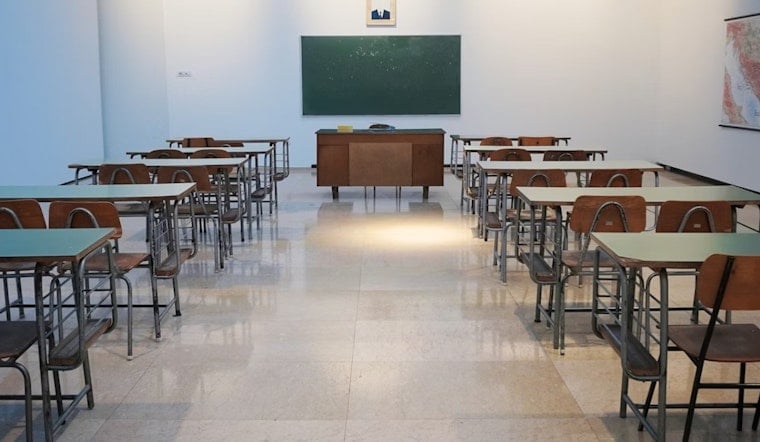
Across Utah, school districts are wrestling with a simple but brutal equation: fewer kids in seats while the bills keep going up. That mismatch is pushing district leaders and parents into tough conversations about consolidations, layoffs, and price hikes that could ripple from classrooms to cafeterias.
Enrollment Numbers Are Falling
Statewide K‑12 enrollment dropped to 656,311 students for the 2025‑26 school year, a decline of 11,478 students, or about 1.7 percent, according to the Utah State Board of Education. Because Utah funds schools on a per‑pupil basis, even a modest decline in headcount can open a much larger hole in a district’s operating budget.
Losses Clustered On The Wasatch Front
The slide is not spread evenly across the state. Salt Lake County districts account for nearly half of the statewide loss, with Granite, Salt Lake City, and Washington County among the hardest hit, The Salt Lake Tribune reported. For districts that lose students, expensive fixed costs such as building maintenance and special‑education services do not fall in step with enrollment, which leaves budgets squeezed from both sides.
Districts Are Making Tough Calls
Some school boards have already moved from spreadsheets to real‑world cuts. The Alpine Board voted to close Cedar Valley Elementary, and Provo leaders are weighing the possible closure of several elementary campuses, according to local reporting by KUTV. Consolidations, reassignments, and trims to central‑office spending are the classic tools districts reach for to close gaps, but those moves often collide with fierce neighborhood loyalty to local schools.
Policy And Demographics Are Both Part Of The Story
The financial squeeze reflects a blend of demographic change and recent political choices. State lawmakers tied large teacher‑pay changes and a new scholarship program to broader budget moves, and that reshaped how education dollars flow. The legislative record for HB 215 and accompanying budget briefings lay out how those decisions interact with enrollment trends, according to the Utah Legislature. In practice, charter growth and changes to the weighted‑pupil unit can magnify the budget hit from an enrollment dip for individual districts.
What Families May Already Be Seeing
Some parents are already feeling the pinch. Salt Lake City School District officials disclosed a roughly $1.6 million shortfall in the child‑nutrition fund and floated paid‑meal increases that could add about $90 per student annually, according to a school cafeteria hike, as per Hoodline. Around the state, district leaders say the usual menu of options is on the table: higher fees, trimmed programs, or asking voters to approve new levies, all in an effort to balance budgets without gutting core classroom services.
How each community navigates those tradeoffs will depend on upcoming budget hearings, school board votes, and the pressure that local unions and parents bring to the room. For now, district finance teams say the math is straightforward and unforgiving: fewer students means less money, and that reality forces hard choices about which programs and services survive the cut.





