

























































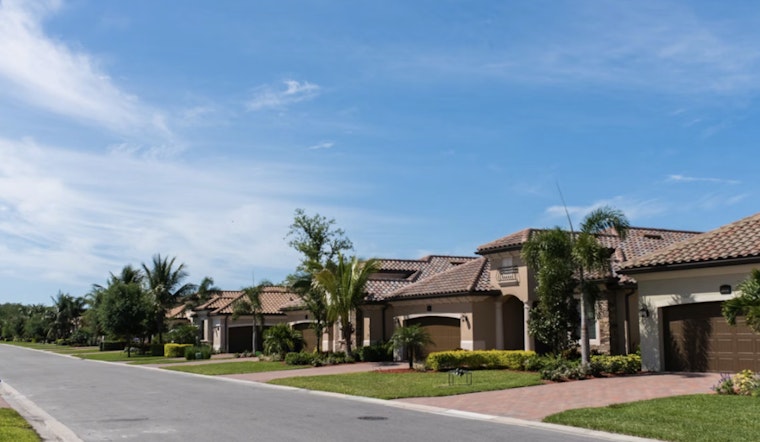
Two fresh affordability studies are giving Las Vegas house hunters a tighter blueprint for landing a deal. One zeroes in on neighborhoods inside city limits, the other scans cities across the country. Put together, they steer bargain shoppers toward older, more established pockets of the valley and nearby municipalities. If you are chasing a lower payment instead of a flashy ZIP code, these rankings offer a quick hit list and a reminder to think both block by block and city by city.
Neighborhood-level winners: Desert Inn Estates tops the list
As reported by the Las Vegas Review‑Journal, Nextdoor's 2026 neighborhood rankings crown Desert Inn Estates as the most affordable part of the city. It is followed by Biltmore Bungalows, Opulence (Spring Valley), Emerald Gardens and Pecos–Bonanza. That lineup highlights where asking prices and rents tend to be lower than in newer master-planned communities. For renters and first-time buyers, the message is blunt: the bargains are out there, just clustered in specific pockets instead of spread evenly around the metro.
How Nextdoor measures affordability
Nextdoor builds an Affordability Score from public economic data and what it calls community signals on its platform, then stacks that score within each city. Nextdoor says the index blends figures from the U.S. Census Bureau, the Tax Foundation and the Bureau of Economic Analysis, including median home values, market rents, regional price parity and tax rates. The neighborhood “vibes” layer is added on top, and the final score is relative to other neighborhoods in the same city. Translation: the rankings highlight the cheapest blocks in Las Vegas, not some grand national pecking order.
WalletHub's city-level picture
On the citywide front, WalletHub's national breakdown of 300 cities fills in the rest of the picture. Its numbers show that some entire cities in and around the valley still offer solid buying power. WalletHub's rankings, as republished by AZ Big Media, put North Las Vegas near the top of the affordability list at No. 11 overall in the WalletHub sample, with Las Vegas and Henderson landing comfortably among the large-city results. Because WalletHub weighs purchase and maintenance costs, taxes and vacancy rates, its city rankings help anyone debating whether to stay inside Las Vegas city limits or cast a wider net over neighboring municipalities.
Local market context: prices and rents
That choice matters because local price data show affordability is still tight across much of the valley. As of January 2026, the median list price in Las Vegas hovered near $450,000, and Zillow reported average monthly rents around $1,700. Those figures keep the pressure on would-be buyers and renters, especially anyone hoping to stay central. Zillow's snapshot and other market trackers underline that the cheapest options generally come from older housing stock or from areas a bit farther from the action.
Where bargain hunters should look
The practical strategy is to use both types of tools at once. Nextdoor's list offers a fast route to the lowest-priced pockets inside Las Vegas itself, including Desert Inn Estates, Biltmore Bungalows and the other neighborhoods that top its 2026 rankings. WalletHub's city comparisons suggest that widening the search to North Las Vegas or to select smaller Nevada cities can stretch a budget further when you factor in taxes and overall costs. Both paths can cut the bill, but the better fit depends on whether you care more about block-level convenience or citywide bang for your buck.
In the end, the two studies answer different questions instead of arguing with each other. Combine Nextdoor's close-up neighborhood view with WalletHub's big-picture city lens and you can head into this summer's moving season with a shorter, smarter list of affordable spots to tour around the valley.



