

























































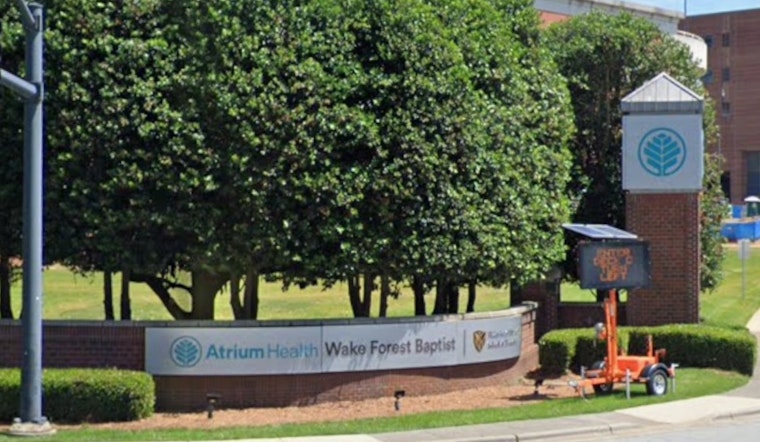
A coach-led lifestyle program built at Wake Forest School of Medicine did more than cheer on older adults from the sidelines. Over two years, it measurably reduced frailty in participants, according to a new analysis of a large U.S. clinical trial that hints at how structured support can slow certain aspects of aging.
Researchers examined data from 2,111 adults ages 60 to 79 in the U.S. POINTER trial and tracked frailty using a 31-item modified frailty index over 24 months. Participants in the Structured intervention arm improved by a mean −0.024, compared with −0.009 for those in the Self-Guided group, a between-group difference of −0.014 (95% CI −0.019 to −0.008; P < .0001). That pattern held across age, sex, BMI and diabetes subgroups, according to results reported in The Journals of Gerontology.
What the program involved
The Structured intervention combined several building blocks of healthy aging: aerobic training four days per week for 30 to 35 minutes, resistance work twice a week, additional flexibility exercises, coaching to adopt a MIND-style diet, weekly web-based cognitive training and twice-yearly checks of blood pressure, cholesterol and A1c. "These findings suggest that adopting accessible healthy behaviors may help slow important aspects of aging," lead author Mark A. Espeland said in a Wake Forest news release, which highlighted the program’s coaching and accountability as key differences from the Self-Guided approach.
Local reporting
Local coverage in the Winston-Salem Journal noted that the analysis was led from Wake Forest and that both the Structured and Self-Guided groups improved on frailty measures, though the Structured group made larger gains. As reported by the Winston-Salem Journal, the paper underscores Wake Forest’s role in steering major national research on lifestyle and aging.
Trial context and next steps
The U.S. POINTER trial was a two-year, phase 3 randomized study designed to test whether multidomain lifestyle changes can protect brain health in older adults, enrolling more than 2,100 participants at multiple U.S. sites, according to ClinicalTrials.gov and the Alzheimer's Association. The frailty findings published in The Journals of Gerontology represent a secondary analysis of that trial. Investigators say ongoing follow-up and additional analyses will explore which participants benefit most and why, with the goal of helping clinicians and policymakers refine programs that are both effective and realistic for everyday use.
What this means for older adults
For clinicians and older adults, the takeaway is that a structured program with coaching support may deliver bigger, measurable frailty benefits than a do-it-yourself approach, although average improvements were modest and individual experiences varied. The authors also note that changes in frailty did not fully explain the trial’s cognitive outcomes, suggesting that multiple pathways contribute to healthier aging, as detailed in The Journals of Gerontology.





