

























































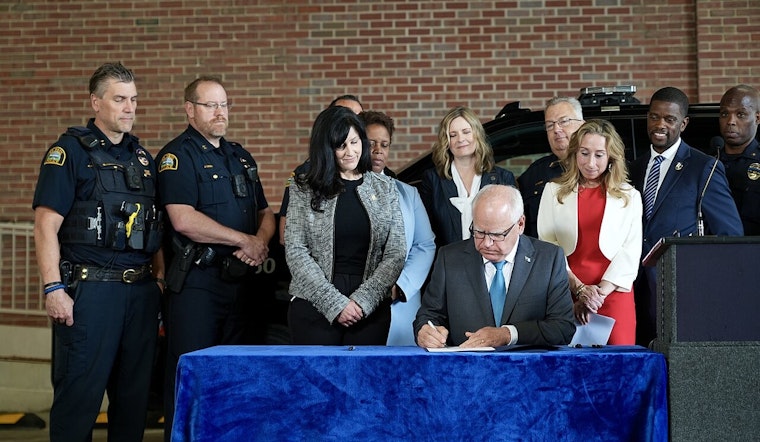
Gov. Tim Walz has issued a fast-tracked pardon for Jai Vang, a Minnesota man who was taken into federal custody earlier this month and was facing deportation to Laos. The clemency targets a decades-old conviction that federal authorities cited in their removal case, and state officials moved quickly after Vang was detained amid a broader wave of enforcement in the Twin Cities.
According to FOX 9 Minneapolis-St. Paul, Walz signed the pardon on Wednesday in an effort to stop what state officials described as an imminent deportation to Laos. FOX 9 reports that Vang was arrested in connection with a 1994 robbery-related conviction that federal agents relied on in immigration paperwork, a case that lingered in the background until federal officers suddenly moved in.
Clemency record and the 1994 conviction
State clemency records show that Vang applied for a pardon and that the Minnesota Clemency Review Commission listed "Jai Vang" on its March 6 pardon hearing agenda. The entry notes an aggravated-robbery conviction dated Oct. 11, 1994, in Hennepin County. That public agenda outlines the record state reviewers had in front of them as they weighed whether to scrub the conviction that later became a key piece of federal immigration paperwork.
Detained during Operation Metro Surge
Vang was detained during Operation Metro Surge, the federal enforcement campaign that brought a heavy deployment of ICE and DHS officers to Minnesota and has triggered lawsuits and protests, according to reporting by AP News. Local coverage has similarly reported that Vang was taken into ICE custody earlier this month as part of that wider Twin Cities sweep, turning a long-ago conviction into a very current immigration crisis.
Legal and immigration implications
Legal experts say a state pardon can wipe out the underlying conviction that federal authorities use as the basis for removal, potentially giving attorneys a path to seek rescission of a deportation order. In a similar case, a law practitioner told CBS Minnesota that a pardon "could possibly" mean a removed charge would no longer qualify as grounds for deportation. The Walz administration has used expedited clemency steps before to try to block removals that supporters view as unjust, and advocates say this latest move underscores a growing clash between state-level relief and federal immigration enforcement.
What comes next is largely in federal hands. ICE and the Department of Justice will decide whether to press ahead or pull back on removal proceedings, and it is not yet clear whether Vang’s pardon will immediately neutralize any active deportation order. Attorneys for Vang and his supporters say they plan to push for a quick federal response, as the case turns into yet another flashpoint in the running battle over who ultimately gets the last word on immigration enforcement.



