

























































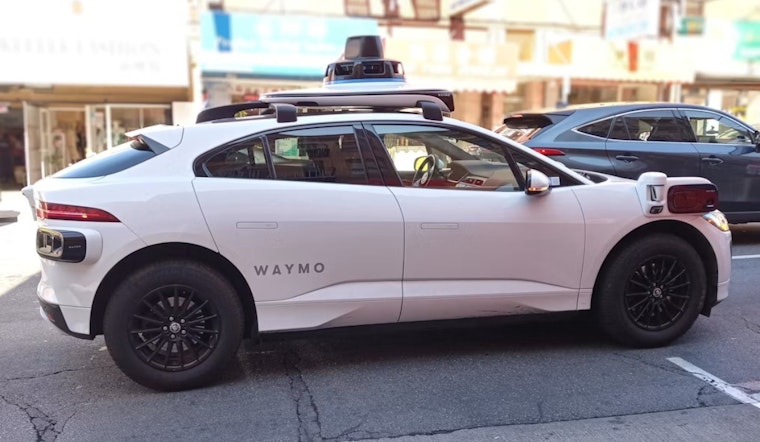
Waymo is getting ready to unleash fully driverless robotaxis on Detroit streets, but the rulebook for what happens when things go sideways in a crash is still half-written. City and state officials have been huddling with the company, yet basic questions linger about who shows up at the scene, who foots the bill for damage, and how first responders are supposed to move a driverless car that refuses to budge. The stakes are rising as Waymo pushes into more cities nationwide and federal safety regulators open investigations into incidents involving its fleet.
According to Crain's Detroit Business, Waymo is already mapping Detroit and running tests ahead of a public launch. Local planners have pressed the company on unglamorous but crucial details such as who is responsible for towing, rebooting, or otherwise clearing a stalled robotaxi, yet those answers have not been written into Detroit ordinances or formal policy.
Waymo’s own materials describe a slow-build rollout that starts with manual testing by trained specialists, then shifts to its sixth-generation Waymo Driver, which is billed as ready for tougher weather and more complex streets. The company pitches expansion as a way to boost accessibility and cut collisions, but those high-level safety promises still do not spell out who handles repairs, official reports, and payouts after a crash involving a vehicle controlled by the manufacturer. Waymo has also been highlighting its ability to operate in winter conditions as part of its sales job to Detroit.
A national safety backdrop
Federal regulators are already watching closely. In May, the National Highway Traffic Safety Administration acknowledged a voluntary recall of about 3,800 Waymo vehicles after at least one robotaxi drove into standing floodwater, according to documents posted by the agency. Those safety notices, along with a pause of some freeway routes, show how a single software or operational surprise can trigger a broader service review and local disruptions. Coverage by the Los Angeles Times detailed the recall and related route changes.
NHTSA filings underscore how federal oversight can quickly reshape local operations when self-driving software does something unexpected.
What Michigan's rules do, and do not, cover
Michigan has worked hard to market itself as friendly to autonomous vehicles, from the University of Michigan's Mcity test track to the American Center for Mobility. State law allows broad testing and deployment, and the ecosystem is set up to attract companies like Waymo. Oversight, however, is scattered. Axios Detroit reports that the state’s permissive framework leaves no single agency clearly in charge of how robotaxis are woven into everyday city traffic.
That split responsibility leaves Detroit to work out the nuts and bolts of crash reports, towing rules, and emergency access on its own as service ramps up. State documents from MDOT show that Michigan has poured energy into testing and industry support, but has not centralized hands-on oversight of daily robotaxi operations.
Legal questions linger
Once a robotaxi is in a crash, the blame game may not look like a typical fender bender between two human drivers. Many legal analysts expect product-liability claims against manufacturers to sit at the center of disputes. Briefings point out that federal crash-reporting rules, state insurance systems, and still-pending federal legislation could all shape who ultimately pays, which means victims and insurers may be staring at a complicated claims maze for now. One recent industry analysis warns that the word “driverless” definitely does not mean “liability free.” Greenberg Traurig lays out how civil claims and enforcement actions might play out as these vehicles become more common.
Detroit officials want operational playbooks
Detroit's Office of Mobility Innovation says it has been meeting with Waymo while the company maps city streets and runs tests with trained specialists in the vehicles. City staff is pushing to make sure any service is usable for seniors and residents with disabilities, not just tech-savvy early adopters. Local coverage notes that Waymo vehicles are already on Detroit roads in testing mode even as officials negotiate protocols for emergency response, towing, and data-sharing. CBS Detroit has reported on the city’s early talks with Waymo and its local test runs.
What to watch next
All eyes now turn to whether Detroit and Michigan can turn closed-door briefings into public, enforceable agreements on crash reporting, emergency access, and liability, and whether any findings from federal investigations lead to new conditions on Waymo’s local service. Crain's Detroit Business has been tracking those negotiations and reports that the very practical playbooks cities want, from towing instructions to a dedicated hotline for first responders, are still being drafted.
For now, Waymo says it will keep operating in a supervised testing phase before opening rides to the public. Detroiters are left to weigh the promise of easier, possibly safer trips against the unresolved question of who answers the call when a car with no driver causes real-world trouble.





