

























































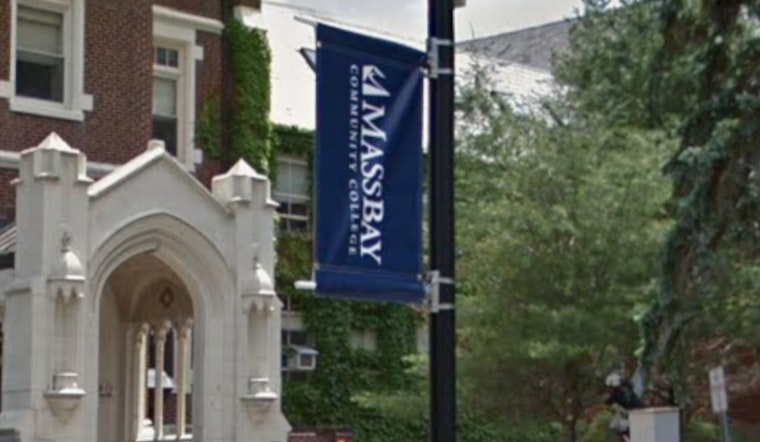
Wellesley residents are set to decide on Monday, May 11 whether the town should gear up for a legal fight with the Commonwealth over plans to convert part of the MassBay Community College property into housing. At a Special Town Meeting, members will take up a non-binding advisory question that includes an option to move directly toward suing the state over a proposal to cluster roughly 180 units near the campus under the Affordable Homes Act. A separate, binding article would set aside up to $900,000 in certified free cash for legal and related professional services tied to 40 Oakland Street, a clear signal of how seriously town leaders are taking the standoff.
What’s on the ballot
The Select Board has drafted three advisory motions for Town Meeting members to choose among. One motion would endorse the Commonwealth’s basic framework for placing about 180 units on the site while preserving most of the surrounding forest. A second would direct the board to push for tougher conditions on any deal and pursue a conservation restriction on the remaining land. The third would advise the board to head straight to litigation against the Commonwealth.
None of these votes would be legally binding, but they are designed to give the Select Board a clear read on how Town Meeting wants them to respond to the state’s surplus-land process. The full warrant language, motions, and logistics for the night are laid out in the town’s official posting from the Town of Wellesley.
Money to fight the Commonwealth
In addition to the advisory questions, Town Meeting will take up a binding article to transfer $900,000 from certified free cash into the Select Board’s legal account. That money would be earmarked for town counsel, special counsel, and other professional services specifically related to 40 Oakland Street and the MassBay parcel. The restriction makes clear that the funds are meant only for matters tied to this property and reflects the board’s choice to bring in outside counsel as it weighs its options.
The Advisory Committee has reviewed the motions and, according to its report, largely favors a strategy of negotiation over an immediate lawsuit, even as the $900,000 appropriation would keep a court challenge squarely in play, according to Swellesley Report.
State plan and the AHA
The MassBay property was designated surplus under the State Land for Homes program created by the Affordable Homes Act, which sets a minimum housing density that, on this site, could translate to about 180 units. State officials have indicated their preferred approach is to concentrate development on the existing parking lot area, leaving most of the roughly 40-acre parcel covered by a conservation restriction, while the Commonwealth prepares to issue a request for proposals this summer. That framework, along with comments from DCAMM and MassBay leadership, has been outlined by Boston 25 News.
Arguments from both sides
Supporters of the state’s direction argue the deal could pay for upgrades to the MassBay campus, secure permanent protection for most of the forested land, and bring much-needed new housing. MassBay’s president has described the opportunity as “a win-win-win” for students and the wider community.
Opponents say the process sidelines local control, and they warn of traffic and environmental problems if development spreads beyond the current parking area. Residents have raised those concerns repeatedly at Select Board meetings this spring. Those positions, and the public back-and-forth they have sparked, have been captured in recent local coverage and letters that helped shape the wording of the advisory motions on the warrant, per Boston 25 News.
Legal stakes
The Select Board has already brought in outside counsel and sent dozens of written questions to the state about the surplus designation. Its motions explicitly preserve Wellesley’s right to sue if officials decide that is where the process needs to go. The surplus notice sets off procedural timelines under both the Affordable Homes Act and the State Land for Homes program, which complicates the schedule for negotiations and raises the prospect that any lawsuit could be lengthy and expensive.
Town documents and meeting minutes detail Wellesley’s evolving legal posture and the sequence of formal notices from DCAMM and the Executive Office of Housing and Livable Communities, as posted by the Town of Wellesley.
What’s next
Special Town Meeting is scheduled for Monday, May 11 at 7 p.m. in the Wellesley High School auditorium, where members will vote on the advisory motions and the $900,000 legal appropriation. Meanwhile, the public can submit comments to the Executive Office of Housing and Livable Communities through May 13. State officials have signaled they could move to an RFP as soon as July if the land disposition goes ahead, a timeline that town leaders say has added urgency to Monday’s votes.
Initial reporting on the coming decision and the possibility of litigation came from the Boston Business Journal, while local outlets including Swellesley Report have closely tracked the warrant articles and funding request.




