

























































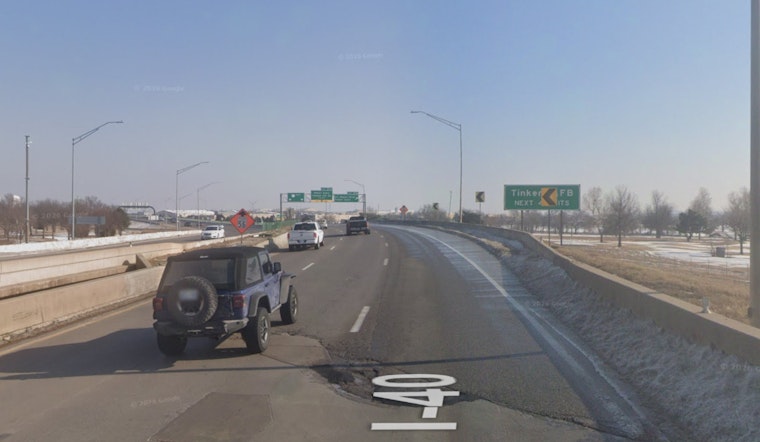
If you have crawled along the interstate west of Knoxville lately, you are not imagining it. The 17‑mile stretch where I‑40 and I‑75 run together routinely grinds down to a crawl at rush hour, stacks up crash clusters, and tangles freight traffic that is supposed to be moving across the region. State planners say they are working on a corridor strategy, but drivers should expect a series of smaller fixes instead of a dramatic overnight cure.
As reported by the Knoxville News Sentinel, reporter Allison Kiehl notes that rising vehicle volumes, tight ramp geometry, and heavy freight flows are key reasons this stretch chokes on a daily basis. Her coverage frames the problem as both a commuter headache and a drag on the local economy that regional leaders have been pushing the state to tackle. Kiehl also points out that some of Knox County’s heaviest crash concentrations fall inside this study area.
TDOT Study Targets The 17‑Mile Corridor
The Tennessee Department of Transportation is leading a Planning and Environmental Linkages study that covers roughly 17 miles of I‑40/I‑75 west of Knoxville, from the I‑40/I‑75 split in Loudon County to the I‑640 interchange just west of downtown, in order to identify corridor‑level solutions, according to TDOT. TDOT’s project materials list bottleneck locations, crash concentrations and speed data from 2022 through 2024 and explain that the PEL will feed into the agency’s 10‑year project plan. Public meetings and a baseline report are part of the process to help decide which projects should move first into design.
Truck Data And National Rankings
The American Transportation Research Institute put two Knoxville segments on its 2026 Top 100 truck bottleneck list, I‑40/I‑75 at I‑140 and I‑40 at I‑275, underscoring how delays in this corridor ripple through freight networks. Local TV coverage adds another layer, with the Pellissippi Parkway merge called out as a chronic trouble spot where average speeds sink below 25 mph during peak evening traffic, according to WVLT. Those rankings and speed readings give planners a clearer picture of where targeted fixes could deliver the most relief.
Why Fixes Are Complicated
Engineers say there is no single silver bullet chokepoint. Instead, the trouble comes from the mix of long‑haul truck trips, heavy commuter traffic, and short, closely spaced ramps that force drivers to brake and weave across lanes. TDOT maps those patterns in its PEL story materials, which show recurring slowdowns and crash clusters scattered across the study area, as detailed in an interactive map from TDOT. The agency is weighing options that range from interchange rebuilds and collector‑distributor lanes to revisiting a previously studied outer alignment. Any major capacity project would still need full environmental review, funding commitments, and years of design work before crews show up.
What Drivers Can Expect
In the near term, the most likely changes are safety and operations tweaks, not sweeping widenings. That means ramp adjustments, clearer signage, shoulder work, and select interchange improvements, the kinds of projects that can roll out faster than adding entirely new lanes. Bigger moves, including a bypass or large‑scale widening, would have to be broken into phases that play out over many years, so commuters should brace for gradual improvement instead of a quick turnaround.
TDOT’s PEL process is supposed to narrow the menu of ideas and rank projects for the agency’s capital plan, which would finally give residents a clearer sense of what might get built first and when. Until that happens, West Knoxville drivers will be stuck living with the daily snarl and counting progress in much smaller wins.





