

























































What should have been a routine water shutoff on the Westside turned into a weapons scare when two Los Angeles Department of Water and Power field employees were allegedly threatened with both hostile words and a firearm at a home, the utility said. The crew backed away, moved to a safe location, contacted LADWP security and the Los Angeles Police Department, and no one was hurt. The encounter has the agency once again pleading with customers to verify workers' credentials and to leave confrontations to law enforcement.
In a news release, the LADWP said the two employees did exactly what they are trained to do, retreating to safety and immediately alerting authorities. "It's a growing problem, and we want to communicate the importance of employee safety and treating our field employees and crews respectfully," LADWP Director of Advanced Technologies Infrastructure Kevin Mount said in the statement. The department is urging customers not to threaten, obstruct, or interfere with workers who are simply trying to do their jobs.
Local outlets quickly picked up the alert: as reported by MyNewsLA, the confrontation unfolded during a scheduled shutoff at a Westside residence, and the workers walked away physically unharmed. That report reminded residents they are well within their rights to ask to see official identification or to call LADWP directly to confirm that a visit or shutoff is legitimate if they are worried about impostors. MyNewsLA also noted that field crews regularly need access to private property to read meters, fix equipment, and turn service on or off.
Why crews need access to private property
According to the LADWP, water and electric meters belong to the department, and its employees have the legal authority to enter property when necessary to inspect, maintain, or replace that equipment. Allowing workers safe and unobstructed access, the utility says, helps prevent outages, speeds up emergency repairs, and keeps service reliable for the entire neighborhood. LADWP also says it is rolling out more outreach to remind customers about safety protocols, access rules, and how to verify that a worker is the real deal.
Lawmakers weigh tougher penalties
State lawmakers have taken note of the risks facing utility employees and are considering stronger penalties for attacks and threats on workers in the field. A Senate analysis of SB 1330 from the Senate Public Safety Committee outlines a proposal to raise the maximum penalty for assault or battery against a utility worker to up to one year in county jail and a $2,000 fine. The analysis also cites one major employer that recorded 81 incidents involving weapons being brandished at workers since 2022. Supporters argue that stiffer consequences could discourage people from threatening frontline staff, while critics counter that longer sentences alone will not fix the deeper frustrations that sometimes boil over at the curb.
A pattern in L.A.
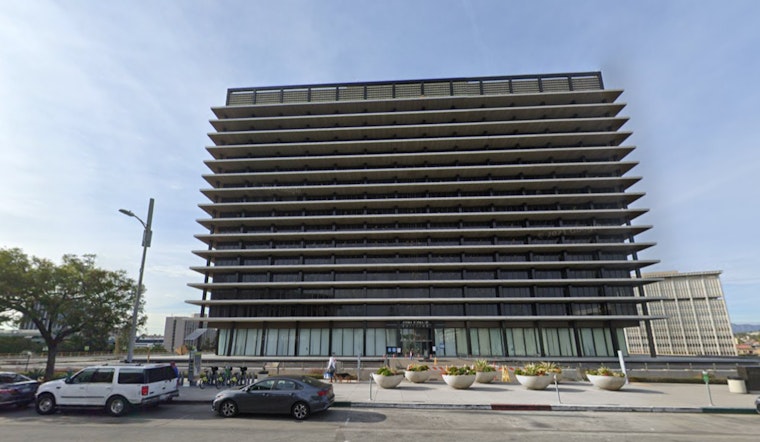
The Westside run-in is not an isolated case. Threats against DWP and LADWP staff have surfaced before in the region. The Los Angeles Times reported in January 2025 that utility employees were threatened with bodily harm and that a possible rifle sighting near the utility's downtown offices prompted a police response during the Palisades fire response. Those earlier scares helped spur internal talks at the utility about how to better protect workers and when to bring in law enforcement if crews face hostility in the field.
What residents should do
LADWP is asking customers to keep things calm, even when tempers or bills are running high. The utility urges residents to treat crews with basic respect, ask to see official credentials, and, if anything seems off, call the customer service center at 1-800-DIAL-DWP to confirm a worker's identity or a scheduled visit. As MyNewsLA pointed out, anyone who feels threatened should step back, call 911, and let officers handle the confrontation instead of trying to play cop at the front gate. Clear communication, quick verification, and leaving the enforcement to the professionals go a long way toward keeping both residents and essential crews out of harm's way.





