

























































Wisconsin's once red hot labor market tapped the brakes in April, even as the state's jobless rate stayed low. Unemployment held at 3.5% and payrolls inched up from the previous month, yet overall job counts still trail last year. It is a split screen snapshot that keeps Wisconsin ahead of the national picture on some key measures while raising fresh questions for employers and training programs.
State figures: steady unemployment, mixed payrolls
Preliminary estimates from the Wisconsin Department of Workforce Development show 3,020,100 people employed in April and a labor force participation rate of 64.4%, about 2.6 percentage points higher than the U.S. rate. The report lists total nonfarm payrolls at 3,028,800, an increase of roughly 9,000 from March but a decline of about 12,800 from April 2025. The seasonally adjusted unemployment rate remained 3.5% in April, unchanged from March, according to data from Wisconsin Department of Workforce Development.
What economists are saying
"The Wisconsin labor market has cooled a bit, along with the national economy," said Scott Hodek, an economist at DWD, who noted that unemployment rates remain historically low even as they slowly trend up. Hodek told Wisconsin Public Radio that tariffs and higher gas prices are among the forces pushing up business costs and weighing on hiring decisions. In other words, employers are still looking, they are just a little more cautious about it.
Where jobs shifted
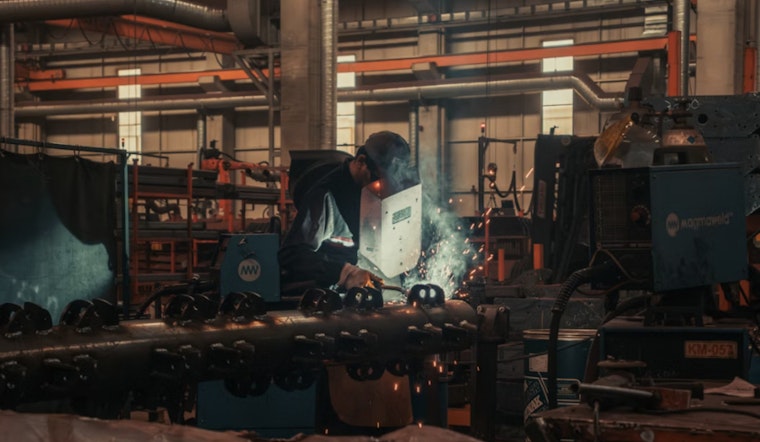
Industry level data paint a mixed picture. Manufacturing payrolls dropped by roughly 7,900 compared with a year earlier, while construction employment rose about 6,500 year over year despite losing roughly 400 jobs between March and April. Those sector level swings added up to the state's net loss of about 12,800 nonfarm jobs over the year, according to Wisconsin Department of Workforce Development. For many communities, that looks like factories trimming headcounts while building sites stay surprisingly busy.
How Wisconsin stacks up nationally
The national unemployment rate held at 4.3% in April, unchanged from March, according to the Bureau of Labor Statistics, which underscores that Wisconsin's 3.5% headline rate still beats the country as a whole even as job growth cools. That gap, along with Wisconsin's higher labor force participation, is a big part of why analysts describe the state's market as cooling rather than sliding into crisis. Bureau of Labor Statistics reported the national numbers.
Why demographics matter
Hodek also flagged demographics as a structural headwind, saying the state's aging population contributes to what he calls a "worker quantity challenge" that complicates hiring across industries. He told Wisconsin Public Radio that it can be hard to separate declines caused by retirements from those driven by layoffs or weak hiring, and that openings remain stubbornly hard to fill in many fields. In practical terms, a lot of people are leaving the workforce and not enough are lining up to replace them.
What to watch next
Policymakers, training providers and employers will be watching upcoming DWD revisions and any further signs of sector specific weakness, particularly in manufacturing. This coverage is based on preliminary state data and reporting from Wisconsin Public Radio and Urban Milwaukee, and Urban Milwaukee first flagged the Wisconsin Public Radio reporting.





