

























































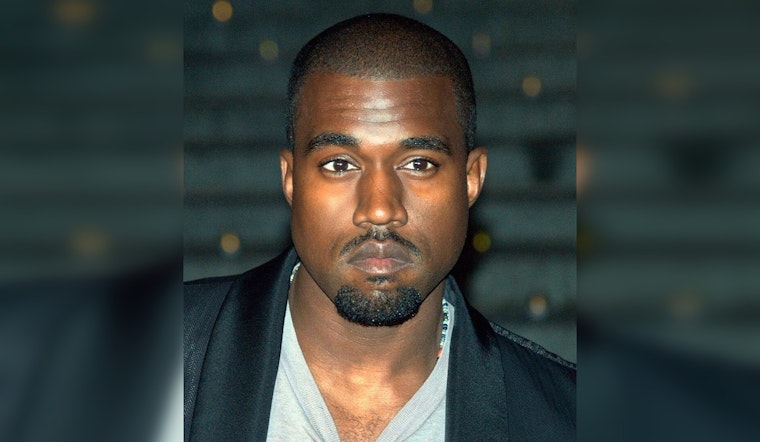
Ye, the artist formerly known as Kanye West, just took a courtroom loss in Los Angeles, where a federal jury found he illegally used an instrumental in an early version of his Grammy‑winning track “Hurricane.” Jurors decided that a one‑minute demo, played at a 2021 Donda listening session in Atlanta, crossed the copyright line and handed down more than $400,000 in damages against Ye and several of his companies. It is the latest entry in a growing list of legal headaches for the rapper and fashion mogul.
Verdict And The Dollar Breakdown
After a six‑day trial in downtown Los Angeles, the jury split liability across Ye personally and a cluster of Yeezy‑related entities. Ye was tagged for $176,153, with the same amount pinned on Yeezy LLC. Yeezy Supply was ordered to pay $41,625 and Mascotte Holdings $44,627, for a total hit of about $438,558, according to Rolling Stone.
Who Sued And Why
The lawsuit came from Artist Revenue Advocates, or ARA, a company formed to represent four producers: Khalil Abdul‑Rahman (DJ Khalil), Sam Barsh, Dan Seeff and Josh Mease. They say Ye used their one‑minute instrumental “MSD PT2” without permission, then profited when an early “Hurricane” demo featuring that beat was blasted to a packed crowd at Atlanta’s Mercedes‑Benz Stadium. That account, and the way the damages were framed, is laid out by Music Business Worldwide.
Court Record: Album Version Versus Demo
According to federal court filings, a judge had already tossed most of the plaintiffs’ broader claims before trial. A musicology expert and sample‑detection testing returned a “null” result for the officially released album version of “Hurricane,” which meant the fight narrowed to earlier demo iterations and the live stadium performance. The judge’s February order and related documents walk through those technical findings in detail; they are available in the public record through CCH.
Reaction From Both Sides
Post‑verdict, ARA manager Britton Monts hailed the jury’s decision as “a victory for working artists,” casting the case as a stand for producers who often sit in the industry’s shadow. A Yeezy spokesperson, on the other hand, blasted the lawsuit as “a failed shakedown” and pointed out that the plaintiffs had previously floated much higher dollar figures, according to Rolling Stone. The dueling statements track a broader argument about how credit, negotiations and clearances are handled when rough demos and splashy listening parties brush up against major commercial releases.
Next Steps: Motions, Appeals And Dates
The legal saga is not over yet. A hearing on post‑trial motions is set for July 24, 2026, according to local court reporting by MyNewsLA. ARA has also signaled it intends to push an appeal over portions of the case that were dismissed before trial, as reported by Music Business Worldwide, so the legal wrangling could stretch on for years.
Why This Case Matters
Legal analysts say the dispute is a cautionary tale for artists who treat listening events as loose, anything‑goes showcases. The verdict underscores how a single, monetized performance of a demo can still trigger liability even when the final album cut no longer contains the contested recording. That tension between the creative process and copyright exposure runs through the court record and recent media coverage. Reporting by Courthouse News Service, along with the public filings, notes that producers and major artists alike are watching to see how courts treat sampling and beat use in high‑profile preview events.
All eyes now turn to that July 24 hearing in Los Angeles federal court. Whatever the judge decides on post‑trial motions, the fallout from Ye’s one‑minute demo could help shape how future sampling disputes tied to blockbuster listening parties are fought, priced and appealed.





.jpg)