

























































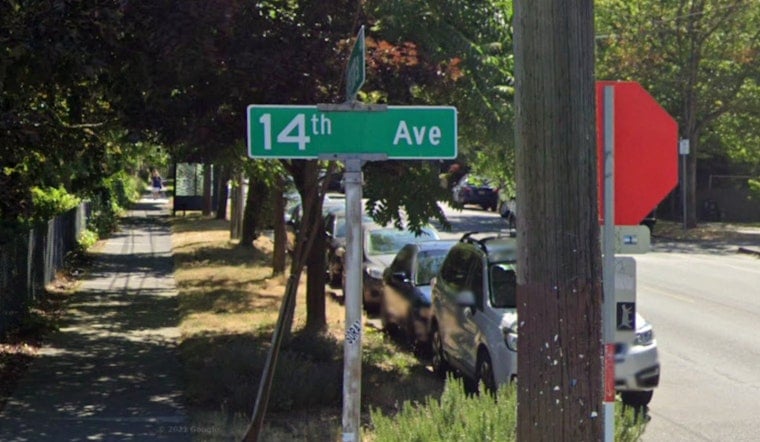
Hazmat crews cleared out a building in the 500 block of 14th Avenue in Seattle on Tuesday after reports of a carbon dioxide leak, prompting an evacuation while firefighters checked the air. Occupants were moved outside as special-operations teams monitored gas levels and ventilated the interior, with people clustered on the sidewalk while crews ran their detection equipment and secured the scene.
Seattle Fire's initial update
In an alert on X, the Seattle Fire Department said hazmat crews were responding to reports of a carbon dioxide leak in the 500 block of 14th Avenue and that the building was being evacuated as a precaution. At the time of that update, firefighters were still doing air monitoring, checking for elevated CO2 levels before deciding whether anyone could safely go back inside.
Why carbon dioxide alarms matter
Carbon dioxide is colorless and odorless, which means it can quietly build up in enclosed areas and reach harmful concentrations before anyone realizes something is wrong, according to the NIOSH Pocket Guide. Exposure at high levels can trigger headaches and dizziness, and at very high levels can lead to loss of consciousness. Federal workplace guidance puts the eight-hour exposure limit at 5,000 parts per million, and short bursts of very high concentrations can be immediately dangerous, per OSHA.
How Seattle's HazMat teams respond
Seattle’s Special Operations unit, which includes the Hazardous Materials Response Team, trains and equips firefighters to identify gases, deploy detection monitors, ventilate impacted spaces and carry out decontamination when needed, according to Seattle Fire Department Special Operations. The unit often shares early alerts while technicians track down the source of a report and confirm that the public is out of harm’s way.
The 14th Avenue call is the latest in a run of precautionary hazmat responses in Seattle this month, including a CO2 alarm earlier in the week on Denny Way and a refrigerant call on 15th Avenue NE, local reports have noted. Coverage of the Denny Way CO2 scare highlighted how crews there also tested and ventilated the building.
What to do if you were nearby
Anyone who was near the scene and now feels unwell, for example dizzy, short of breath or lightheaded, is advised to move into fresh air and seek medical care. Emergency responders recommend telling clinicians you might have been exposed to a gas so they can evaluate you appropriately. The NIOSH Pocket Guide lists common symptoms and urges prompt medical attention for people who develop respiratory or neurological problems after a possible exposure.
This story will be updated when officials release more details on the source of the leak and plans for reoccupying the building. For the latest verified information, follow official emergency and city channels.





