

























































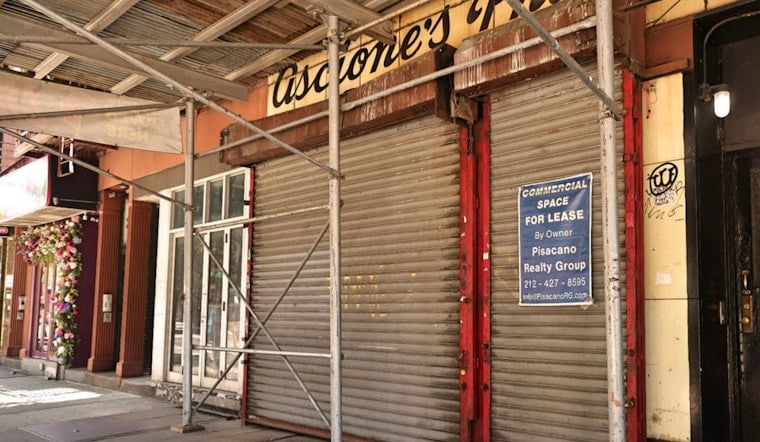
New York City’s comeback story still has some dark patches at street level. A fresh analysis from the comptroller’s office finds roughly 15,700 vacant storefronts across the five boroughs, leaving long stretches of retail strip with the lights off even as parts of the economy have bounced back from the pandemic. The report casts vacancy as a stubborn, block-by-block problem instead of a single sweeping crisis.
In a report released June 4, 2026, the Office of the New York City Comptroller pegs the citywide storefront vacancy rate at about 11.0% as of April 15, 2026. The estimate comes from a comprehensive ground survey of storefronts. According to the Office of the New York City Comptroller, the analysis leans on Live XYZ mapping data and finds that vacancies remain above pre-COVID levels, even if things have improved somewhat from the worst of the pandemic era.
The headline figures quickly filtered into the broader debate over the health of New York’s commercial corridors. As reported by CBS News New York, the citywide vacancy rate is now another talking point for policymakers, landlords and small-business advocates. Other city data trackers use different approaches and timelines. The New York City Council Data Team’s Local Law 157 summary, for instance, counted 6,631 vacant storefronts as of Dec. 31, 2021, a reminder that methodology and timing can dramatically shift the numbers.
Where Vacancies Cluster
The comptroller’s office maps out vacancy hot spots across all five boroughs and finds the highest concentrations in Lower Manhattan, northern Brooklyn and parts of western Queens. The Office of the New York City Comptroller lists the Financial District–Battery Park City at roughly 21.1% vacancy and Old Astoria–Hallets Point at about 20.1%. The analysis also notes a contagion effect: storefronts within one block, or 250 feet, of a vacant space are about 30% more likely to be empty than average.
Why Some Storefronts Stay Empty
Instead of blaming a single culprit, the report points to a mix of persistent, hyperlocal challenges. Many empty storefronts have sat idle for nine months or longer, and vacancies often line up along specific corridors rather than scattering evenly across neighborhoods. City planning work has long argued that the drivers are complex and overlapping, including zoning rules, landlords holding out for higher rents, fewer office workers and tourists on the sidewalks, and shifting retail business models. That pattern has been documented in Department of City Planning assessments.
What Officials Are Doing
City Hall has rolled out grant programs, storefront activation efforts and targeted funding for specific neighborhoods, all aimed at speeding up re-tenanting and shoring up local merchants. The mayor’s Small Business Services agency has highlighted declining vacancy in certain areas and a neighborhood grant program meant to help merchant groups organize. The administration also leans on a data partnership with Live XYZ to track openings and steer resources, according to the mayor’s office.
For merchants, business improvement district leaders and residents, the comptroller’s latest analysis offers fresh, neighborhood-level detail and a new excuse to push for faster leasing, better activation and clearer public reporting. The comptroller’s office says it plans to keep digging into the root causes of long-term vacancy and to work with local stakeholders on potential fixes.





