

























































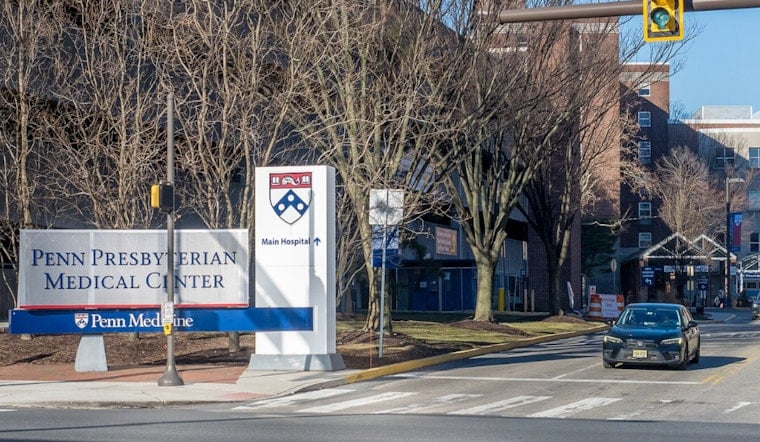
A 55-ton cyclotron, the particle accelerator that powers proton-beam cancer treatment, rolled into the Penn Presbyterian Medical Center campus in University City this week, turning a once-abstract construction project into something you can actually see. The giant machine is a key piece of Penn Medicine’s new Roberts Proton Therapy Center, part of an approximately $224 million expansion that hospital leaders say should start treating patients in late 2027. For now, crews are positioning the hardware and readying treatment rooms before installation and safety checks begin.
The cyclotron accelerates protons into a tightly targeted beam that clinicians can shape around a tumor, hitting cancer cells hard while limiting radiation to nearby healthy tissue. That level of precision makes proton therapy especially valuable for certain adult cancers and for pediatric patients, where long-term side effects are a major concern, as reported by NBC10 Philadelphia.
Project Details and Equipment
Penn Medicine broke ground on the Roberts Proton Therapy Center at Penn Presbyterian in April 2025, planning roughly 43,000 square feet of new clinical space and two compact Proteus®ONE proton systems as part of the $224 million project, according to Penn Medicine. Belgian manufacturer IBA signed an agreement last year to supply the two Proteus®ONE units and has been working with Penn as the systems are staged for installation, IBA stated.
Where This Fits Into Local Care
The University City facility will be Penn’s fourth proton center and will also give the health system room to upgrade the flagship Roberts Proton Therapy Center in the Perelman Center for Advanced Medicine, The Philadelphia Inquirer reported. Hospital officials say the added site should cut down travel time for many patients and boost the total number of people who can be treated with proton therapy across the Delaware Valley each day.
Pediatric Care Link
The new center will extend Penn’s collaboration with the Children’s Hospital of Philadelphia, allowing specialty-trained pediatric radiation oncologists to treat children with proton therapy, according to NBC10. Clinicians point out that protecting healthy tissue is especially critical for kids because it can lower the risk of serious long-term side effects and secondary cancers later in life.
What Patients Should Know
Construction is already reshaping how people get around the campus. Medical Drive is closed while work continues, and visitors are being routed to Filbert Street for parking and building access, Penn Medicine’s project page notes. “We create a personalized radiation therapy plan for every patient, based on their specific cancer type and tumor location,” John Plastaras, chief of Radiation Oncology and Proton Therapy at Penn Presbyterian, said in a statement to Penn Medicine. The new Roberts Proton Therapy Center is expected to start seeing patients in late 2027, after the cyclotron and related equipment are fully installed and commissioned.



.jpg)