

























































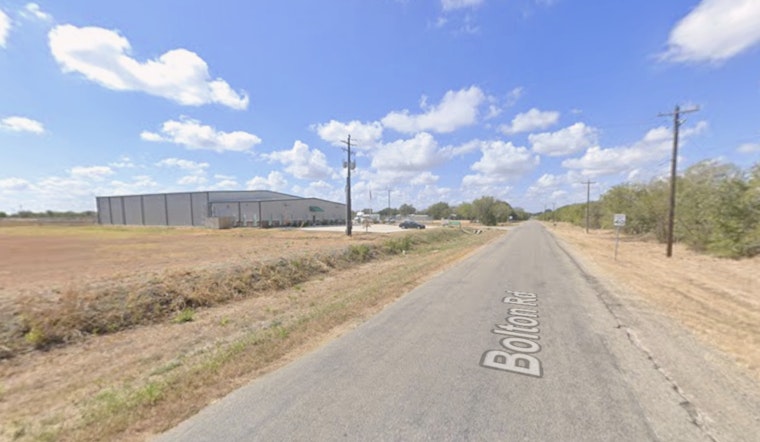
The go-karts are out and the servers are pulling up to the starting line in Marion, where Legacy Investing is planning a 50‑megawatt data center on a 39‑acre site at 1000 Bolton Road, about 26 miles east of San Antonio. The development would replace the San Antonio Karting Complex and is being pitched for AI inference workloads, with a ready‑for‑service target in the fourth quarter of 2027. Legacy says the campus is designed to expand over time and will rely on high‑density cooling to keep next‑generation compute gear from overheating.
Project details
In its initial phase, the project is described as a 50MW build that will include more than 100,000 square feet of data‑hall space inside a building of roughly 243,000 square feet. The site is planned with room to scale up to about 150MW. As announced by Legacy Investing and reported by Data Center Dynamics, the facility is being designed around AI inference workloads and will use direct‑to‑chip cooling paired with closed chilled‑water loops. Legacy and industry listings describe the project as currently under development, with the developer aiming to bring phase one online in Q4 2027.
Site history and closure
The 39‑acre parcel at 1000 Bolton Road had been home to the San Antonio Karting Complex, which shut down after the property was sold. The kart operator posted on its website that "San Antonio Karting Complex is now closed, effective immediately," and cited the sale of the land as the reason for the sudden stop. Commercial listings for the address present the parcel as a ready‑use development site marketed for industrial or campus‑style projects, a setup that brokers say helps position the location as a fit for a data‑center campus, especially with nearby highway access and proximity to major employers.
Why San Antonio
San Antonio has been drawing a wave of cloud and AI infrastructure projects this year, with filings and local reporting pointing to several large new builds, including a recent Amazon filing for a roughly $65 million facility that highlights the region’s pull for hyperscale and enterprise operators. Industry observers and regional coverage say Texas is capturing a significant share of new data‑center construction as AI demand rises, and they note that utilities, water availability and permitting will dictate how quickly projects can move from plan to concrete. That mix of available land, fiber routes and access to power is the backdrop for Legacy’s decision to plant a campus in the Marion corridor.
Local impact and what comes next
Developers typically highlight hundreds of construction jobs and tens of permanent operations roles as the main economic footprint of a project this size, although the long‑term headcount usually looks modest once the dust and concrete trucks clear. Industry observers say a 50MW build commonly brings in a sizable short‑term construction workforce, then supports a smaller, steady technical and facilities staff after commissioning, and that conversations about water use and energy demand have followed similar projects in nearby areas. With permits, utility coordination and any local feedback still ahead, the next concrete milestones for the Marion site are expected to show up as county filings and utility applications.
Legacy has been active in mission‑critical real estate, working on data‑center developments and sale‑leaseback deals in other markets, and the company says it intends to move the Texas project forward as part of a broader development pipeline. We will continue to watch public permit records and utility filings as the Marion campus works its way through approvals toward its late‑2027 service target.




