

























































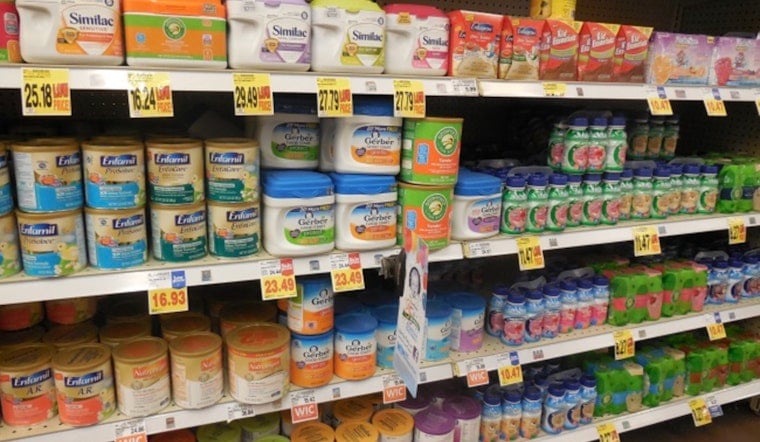
New York is getting up in the baby aisle’s business. Lawmakers this week approved a measure that will require regular testing and public disclosure of heavy metals in baby food, and for the first time, in infant formula. The law directs manufacturers to test products for lead, arsenic, cadmium and mercury and to make results available to the public, a move advocates say finally gives parents clearer information about what is in their children’s food.
What the law requires
Under the Baby Food and Infant Formula Safety and Transparency Act, manufacturers must test a representative sample of each production aggregate at least once per month for specified toxic heavy metals and publish the name and level of any detected metal on company websites, with QR codes on labels linking to the data, according to the New York State Senate. The measure also authorizes the Agriculture Department, in collaboration with the Department of Health, to set action levels and to prohibit the sale of products that exceed those limits, and it directs regulators to adopt implementing rules within 180 days.
How it cleared the Legislature
Both chambers moved the bill this week: the Assembly approved A9026A on June 3 and the Senate substituted S.8701-A before final passage, and the measure is now awaiting the governor's action. The Assembly roll call showing the 60 to 1 vote and the bill's final actions are available in the Legislature's public record, for anyone who likes to see the receipts.
Why advocates pushed for the law
Consumer Reports hailed the vote and urged Gov. Kathy Hochul to sign the measure, saying "New York parents and caregivers deserve to know what is in the infant formula and baby food they feed their children" in a statement via Consumer Reports. The group’s independent lab testing in March found dozens of infant formulas with measurable levels of inorganic arsenic, lead or other contaminants, and its test results and recommendations are published on Consumer Reports.
Where this fits nationally
New York's move follows earlier state action. California passed AB 899 in 2023, and the Attorney General issued an advisory earlier this year reminding manufacturers of disclosure obligations under that law, which requires monthly testing and public posting of baby-food results. The federal Food and Drug Administration has also expanded sampling and published its own formula testing this spring as regulators at different levels of government respond to pressure for more transparency.
What parents should look for
Once companies begin posting results, shoppers should look for QR codes on packaging and batch- or lot-level test data on manufacturer websites. Local coverage and explainers that summarized the testing rounds are available for readers who want to dig into specific brands and product lines, and consumer groups caution parents not to make abrupt formula switches without talking to a pediatrician.
Next steps and enforcement
With the law passed, state regulators will write implementation rules and manufacturers will have to set up monthly testing with accredited laboratories and publish results as required. If Gov. Hochul signs the bill, parents can expect a new stream of product-level data in the months after rulemaking, and regulators say they will have the authority to pull noncompliant products from shelves.




