

























































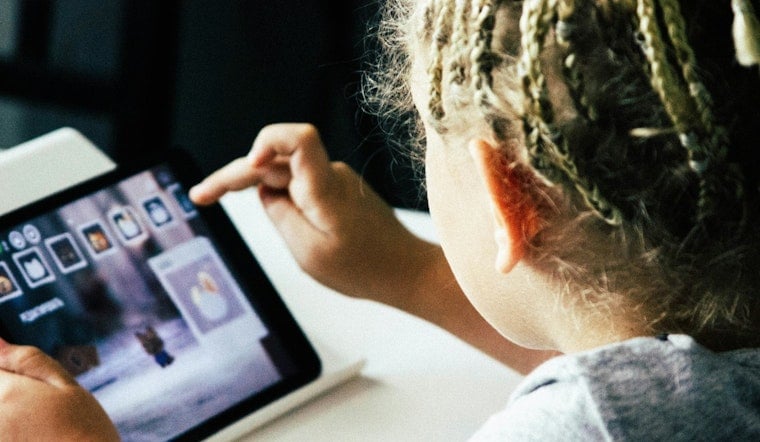
New York state lawmakers introduced a bill Friday that would ban social media, chatbots, generative AI, direct messaging, gaming and computer-based cameras from public school classrooms, and require kindergarten-through-fifth-grade teachers to rely on largely pencil-and-paper instruction instead of laptops and tablets. The proposal, called the Fostering Optimal Classroom Use of Screens Act, arrives as parents, educators and policymakers across New York mobilize against what they see as excessive classroom technology.
Brooklyn Democratic state Sen. Andrew Gounardes introduced the bill in Albany, according to Gothamist. The legislation would still let high school students opt into 1:1 computer access with parental consent, and would give middle schoolers access to computers via a cart or computer lab for certain lessons, while high schoolers could also borrow laptops from a cart under the plan. Students with disabilities who need computers or other devices to access materials and learn would be exempt from the restrictions, per the outlet's reporting.
Gounardes told Gothamist that technology should be used intentionally in children's lives, and said tech companies rush new products into classrooms without research on whether they actually help students learn. He has three children, and said his eldest will start kindergarten in September — a detail he raised in explaining his own stake in the debate. The bill would also update computer literacy standards to address the negative effects of excessive screen time and toxic social media on young people, and would seek to enhance student data privacy protections.
A Second Wave Following the Smartphone Ban
The FOCUS Act follows Governor Kathy Hochul's statewide policy banning students' personal internet-enabled devices — including smartphones and smartwatches — for the entire 2025-2026 school day, a “bell-to-bell” rule that covered instructional time, lunch and recess, according to the NYC Department of Education. Hochul has championed distraction-free learning to improve student wellbeing and previously enacted protections restricting addictive social media feeds and requiring companies to post mental-health warnings for young users. She has said she is open to limiting screen time for the youngest students, and told an audience at a Brooklyn school in June that her “gut tells me that's the way to go,” according to the New York State School Boards Association.
Where the bell-to-bell rule targeted phones students bring from home, Gounardes' bill takes aim at the school-issued infrastructure districts built up over the past decade — the laptops, tablets and learning software that became a multi-billion-dollar market as districts raced to go digital after the pandemic. That global edtech market was valued at $163.49 billion in 2024 and is projected to reach $348.41 billion by 2030, per MultiState. Kassie White, a spokesperson referenced in the reporting, said the governor will review legislation that passes both houses before deciding whether to sign it.
Parents Describe Screens From the Youngest Grades
According to parents cited by Gothamist, New York elementary school students are asked to complete assignments and tests on screens starting in the youngest grades, and schools use digital homework and sometimes recommend YouTube links as supplements. Parents have also raised concerns about voice recognition technology and digital bathroom sign-outs used in some schools. Those concerns have translated into organized action: families have called for new limits on laptops, tablets and other devices in schools, while some parents have pushed for a yearslong moratorium on the use of AI in schools, and others have championed screen breaks both in classrooms and at home.
That grassroots energy has already produced concrete results. A Manhattan parent initiative led 38 public elementary and middle schools serving more than 10,000 students in New York City's District 6 to participate in a “Screen Break” week in May, an effort backed by local superintendents and NYC Schools Chancellor Kamar Samuels, according to Chalkbeat. Samuels has since told principals to pause all education software purchases while technology policies were revised, and promised an updated technology plan by the end of summer, per Gothamist's reporting.
Union Backing and a Competing Bill
Labor has lined up behind the screen-limit push as well. In May, the board of directors of New York State United Teachers, which represents more than 700,000 educators including members of New York City's United Federation of Teachers, adopted a resolution calling for a ban on 1-to-1 device use and online testing for pre-K through second grade, along with bans on student-facing AI in early grades and “social companion” chatbots for children under 16, Chalkbeat reported. Assemblymember Robert Carroll has introduced a separate bill banning artificial intelligence in elementary and middle schools, giving the technology debate two live legislative tracks in Albany this session.
The New York State Education Department has said technology should support educators and students but not replace human judgment or accountability, and that the role of technology in schools remains a priority, per Gothamist. The department is developing statewide guidance on the responsible use of digital tools, AI and emerging technologies in schools. Changes to how the state actually regulates classroom technology, however, require legislative action — meaning Gounardes' bill, or Carroll's, would need to clear the Legislature before reshaping what New York classrooms look like.
A National Trend and a Testing Contradiction
New York's proposal lands amid a broader national pullback on classroom tech. At least six states enacted classroom screen-time restrictions during the 2026 legislative session, including Utah's HB 273, which bars classroom screens in grades K-3 except for computer science standards, and Alabama's Healthy Early Development and Screen Time Act, according to MultiState. At least a dozen more states introduced similar edtech or screen-time bills earlier in the year. Federal regulators have taken notice too: FCC Chairman Brendan Carr launched a review of the $2.5 billion E-Rate program in June, proposing rules to examine classroom screen-time limits and parental opt-out rights for screen-based instruction, per the Federal Communications Commission.
Yet New York faces a structural contradiction its neighbors may not: the state's own testing mandate. The New York State Education Department required a multi-year transition to computer-based testing for all Grades 3-8 English Language Arts and math exams, reaching full statewide digital implementation by this spring, according to Kami. Districts have historically expanded 1:1 laptop access in early elementary grades specifically so students would develop the typing and software skills needed for those digital state exams — the very devices Gounardes' bill would now pull back out of K-5 classrooms.
Research cited in the debate adds weight to the parental concerns driving the legislation. A cohort study published in JAMA Pediatrics involving more than 5,000 elementary school children found that higher screen-time exposure before age eight was significantly associated with lower reading and math scores on standardized tests, per findings hosted on PubMed Central. That research, alongside union pressure, gubernatorial signals and federal scrutiny, is fueling momentum for the FOCUS Act as it heads into the legislative process this session.





