

























































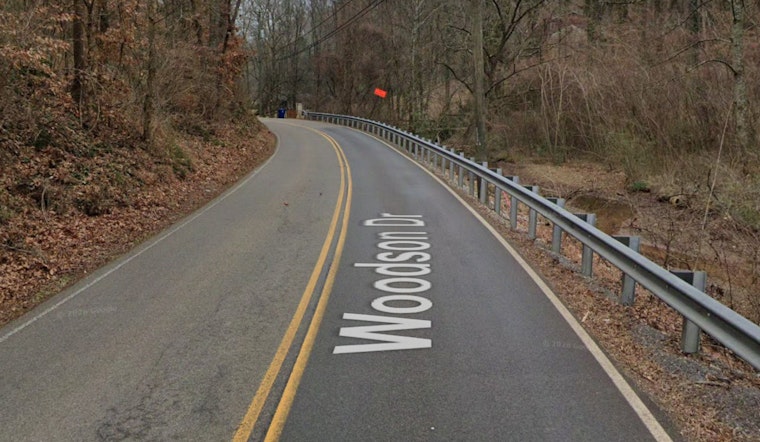
Knoxville drivers who use Alcoa Highway are going to be living with work zones a lot longer than they hoped. TDOT now says construction on the stretch between Woodson Drive and Cherokee Trail will continue through the spring of 2030, after crews uncovered conditions that require additional reinforcement. The delay affects a roughly 1.6-mile segment that has been under reconstruction to add lanes and overhaul the Cherokee Trail interchange. Wedged between a steep rock cut and the Tennessee River, the corridor now needs extra work to keep both the slope and the roadway stable for the long haul, according to the agency.
Why the Schedule Changed
Engineers working the hillside told TDOT that blasting and excavation exposed the need for more robust retaining walls than originally designed. In a statement to WVLT, TDOT Commissioner Will Reid called the corridor "particularly complex" and said adding "enhanced wall reinforcement" was necessary to "ensure long-term safety and stability."
Scope and New Timetable
TDOT's project page describes the Woodson Drive to Cherokee Trail phase as a roughly 1.6-mile widening that will expand the roadway to six lanes, build two bridges and two roundabouts, and construct 23 retaining walls. The agency's current schedule now shows the segment finishing in 2030. TDOT updated its timeline and project materials on June 11, 2026, to reflect those design changes, according to TDOT.
What Drivers Should Expect
Motorists should keep planning around daytime rolling roadblocks, periodic flagging, and overnight lane closures as crews continue rock excavation and wall work. TDOT says two lanes will remain open during most operations. The University of Tennessee Medical Center has posted traffic advisories about the short, intermittent roadblocks between Woodson Drive and Cherokee Trail and is urging drivers to build in extra travel time. According to UT Medical Center, the rolling roadblocks typically last about 20 minutes and are scheduled for non-peak daytime windows.
Earlier Projections and Why This Matters
Industry and local reporting earlier in the project cycle had cited shorter completion targets for some segments. Trade coverage and TDOT materials noted that this phase broke ground in mid-2023, with earlier estimates pointing to a quicker wrap-up. The newly required reinforcement work pushed that schedule out. Those earlier projections helped set commuter expectations, and the updated TDOT timetable now means the trickiest Knox County stretch will keep generating intermittent delays for several more years, according to Building Excellence.
What to Watch Next
TDOT says it will continue posting schedule changes, traffic notices, and an interactive timeline on the project web page, along with email alerts for subscribers, so commuters are urged to check the department's portal before heading out. For now, the plan is for the work, and the rolling roadblocks that come with it, to continue through spring 2030 while crews finish the reinforced walls and Cherokee Trail interchange improvements, according to TDOT.





