

























































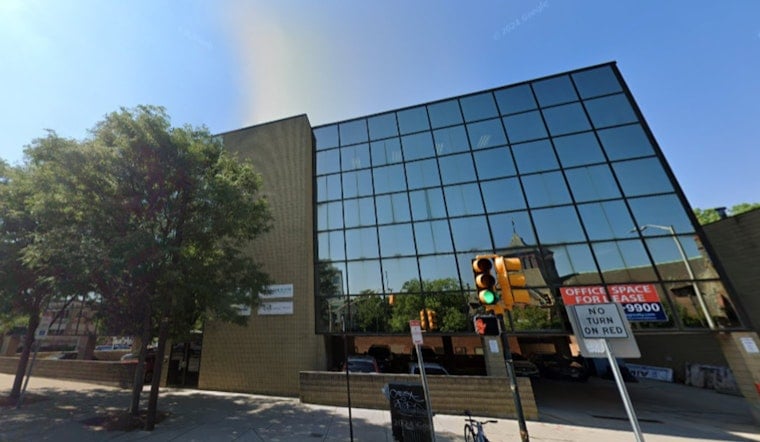
A long-running daycare serving both commuters and neighborhood families near Alewife station is set to shut its doors this summer after the MBTA declined to renew the facility’s lease, according to parents and staff. For many families who rely on transit-accessible child care, the program has been a daily lifeline, with parents calling it “a cornerstone of the community.”
According to The Boston Globe, the MBTA told the paper it would not extend the daycare’s lease when it expires, and the center will vacate the MBTA-owned space this summer. The Globe’s reporting includes interviews with parents and staff who said they learned of the decision only weeks before the lease ended, leaving little time to adjust.
The impending closure has families scrambling for alternatives in an already tight child-care market. The Cambridge Office of Early Childhood lists DHSP-Alewife among city preschool sites and offers a provider-search tool that families can use to look for openings and possible replacements.
MBTA's property puzzle
Per Streetsblog Massachusetts, the MBTA earlier this year cancelled a procurement to redevelop roughly 30 acres around Alewife, citing market conditions and major repair costs for the aging garage. That broader uncertainty over what to do with its Alewife holdings helps explain why the agency is rethinking leases and short-term tenants on MBTA-owned land in the area.
Why childcare was built into Alewife planning
City planning materials for Alewife have explicitly prioritized neighborhood services, including child care, as part of any long-term redevelopment. The Alewife Zoning Working Group’s draft framework specifically lists "daycare centers" as a prioritized neighborhood use, underscoring how planners view child care as a core service for a transit-oriented neighborhood; the working-group materials are available here.
Parents and staff told reporters they hope the MBTA or the city will identify a new, transit-friendly home for the program, but no concrete relocation plan has been announced. In the meantime, families face longer commutes to alternative care or changes to work schedules, a disruption that highlights how transportation, land use and child-care policy intersect in Cambridge’s Alewife district.


