

























































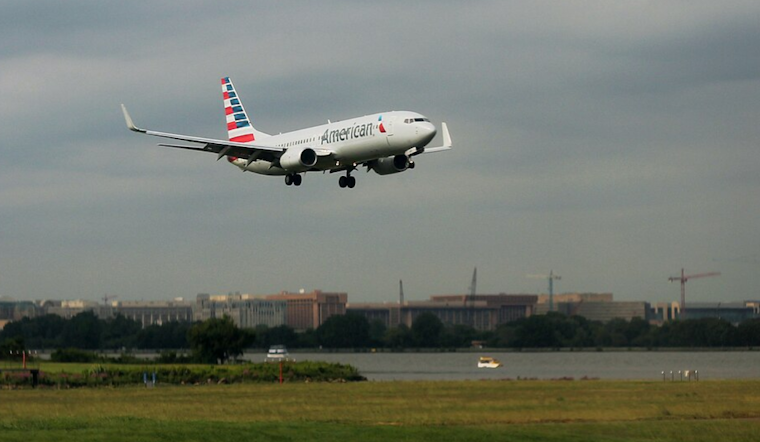
A routine hop from Philadelphia to Columbus turned into an unplanned stop in Pittsburgh on Friday afternoon, when an American Airlines flight made an emergency landing at Pittsburgh International Airport. The aircraft landed safely, taxied to a gate, and officials reported no injuries. The plane had departed Philadelphia and was en route to Columbus, Ohio, when crews diverted to Pittsburgh.
Airport timeline and company response
According to TribLIVE, flight AA5634 left Philadelphia shortly before 3 p.m. bound for Columbus and then made the unscheduled landing at Pittsburgh International. Airport spokesman Bob Kerlik told the outlet that the flight landed safely without incident following an aircraft issue and taxied to the gate. The aircraft remained parked at the gate as of about 4:45 p.m., and the report noted that American Airlines did not immediately respond to a request for comment.
Flight tracking and identity
Online flight-tracking services list AA5634 and provide public flight histories tied to that number. Data from Flightradar24 shows the flight's recent movements, which helps reporters confirm that a specific aircraft diverted to Pittsburgh. Those trackers do not always include information on why crews change course midflight.
How diversions are handled
Federal aviation rules give pilots broad authority to deviate from normal operations in an emergency, and air-traffic controllers are directed to prioritize and clear the way for any aircraft in distress, per FAA guidance. After an emergency landing, standard procedure calls for airport fire and rescue crews to meet the aircraft, followed by an inspection from the airline's maintenance team before the jet can return to service, a sequence described in pilot and safety resources.
What's next
There have been no reports of injuries, and airport operations were not reported to be disrupted. If the situation were determined to involve a more serious safety issue, the NTSB could monitor developments or open an investigation. Routine maintenance checks on the aircraft and rebooking for affected passengers would remain the responsibility of the airline.



.jpg)