

























































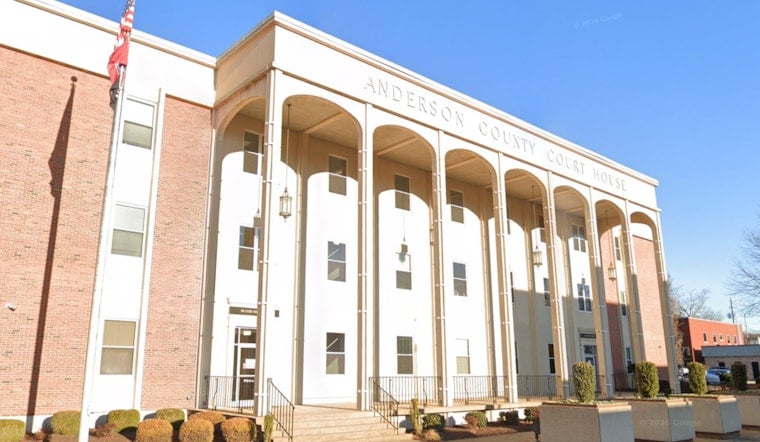
Anderson County leaders just yanked the emergency brake on new data centers, voting Monday unanimously for a two-year moratorium on the facilities in unincorporated parts of the county. The move freezes any fresh proposals while officials sift through questions about zoning rules, utility demands, and neighborhood impacts.
The pause arrives after a burst of local debate and social media chatter over whether the county's zoning code actually covers battery energy storage systems, cryptocurrency mining operations, and the large, mostly windowless data-processing buildings that keep cloud and AI services running. Commissioners said the timeout is meant to give them space to write rules that match what residents say they want and to schedule more public meetings before anything big gets built.
The commission backed the two-year moratorium without a single dissenting vote. Commissioner Sabra Beauchamp told WVLT, "The citizens of Anderson County deserve transparency." Commissioner Phil Yager said he supported the longer pause, and Chairwoman Denise Palmer noted that the commission can continue meeting during the moratorium to hash out regulations.
What the moratorium covers
The resolution temporarily halts consideration of new data-processing projects while the county figures out how it wants to regulate them, according to Anderson County's public notice. That notice shows the commission was scheduled to weigh zoning amendments that would explicitly add battery energy storage systems, cryptocurrency mining facilities, and data processing centers to the county's zoning resolution.
Tennessee trend and state law
Anderson County's move fits into a broader wave of local moratoriums popping up across Tennessee and around the country as communities try to keep pace with a rapid buildout of data infrastructure and study what it means for water supplies, air quality, noise levels, and the electric grid. WPLN News reports that several Tennessee counties have approved temporary freezes in recent weeks. The outlet also notes that the state has passed incentives and a law that lets facilities needing at least 50 megawatts of power generate or buy "behind-the-meter" electricity, a change critics say could open the door to more portable gas generation.
Next steps and public involvement
County officials scheduled a public hearing on the proposed zoning amendments for June 15 and made copies of the draft language available at the Office of Planning & Development, the local paper reported. During the moratorium, planners and commissioners are expected to hold workshops, gather public feedback, and refine zoning language that would come back for a future vote, according to The Courier News.
The two-year timeout creates an official window for residents to push for clear guardrails on water use, noise, visual buffers, and power arrangements while the local economy weighs potential jobs against environmental and quality-of-life concerns. However, the county ultimately splits that difference, which could help determine where data centers land in the region for years to come.





