

























































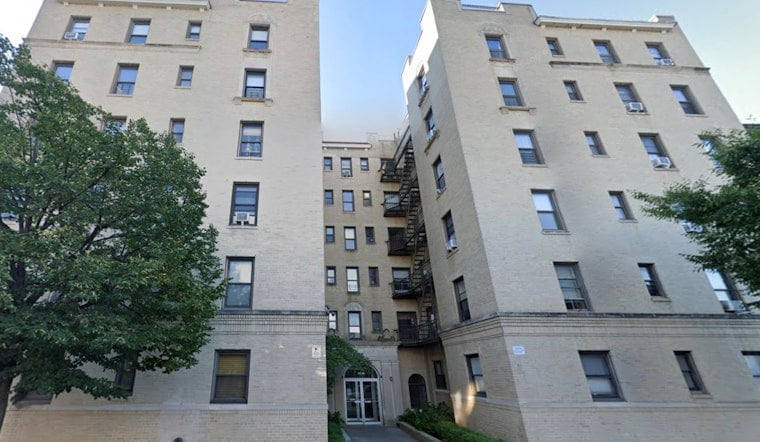
The landlord of Mayor Zohran Mamdani’s former one-bedroom in Astoria has put the place back on the market for roughly $3,100 a month, about 35 percent higher than the low-$2,000 rent Mamdani has said he paid while living there. The spike is drawing fresh attention because Mamdani’s administration just helped push a rent freeze for roughly one million stabilized apartments, highlighting how limited the remaining options are for owners who want to lift a unit’s legal rent. Both tenant advocates and critics are already treating the move as a test case for those new policies.
The increase first surfaced in the tabloids. The owner relisted the Astoria one-bedroom for about $3,100, roughly $800 more than Mamdani’s stated rent, a 35 percent jump that has prompted a wave of commentary. As reported by the New York Post, a broker with ties to the building said the unit “is going to be making a lot more money than when Mamdani was in there.”
Mamdani has said he paid about $2,300 a month for the rent-stabilized unit when he moved in, according to Time. The Real Deal reported that the unit’s registered legal rent runs closer to $3,082, a gap between preferential and legal rents that helps explain how the owner can lawfully ask for a much higher number once the tenancy ends.
How Landlords Can Lift a Unit’s Legal Rent
Owners of rent-stabilized apartments still have tools to raise the “legal rent” through Individual Apartment Improvements (IAI) and Major Capital Improvements (MCI). These filings can add to a unit’s registered maximum even when the Rent Guidelines Board is freezing annual renewal increases. The state housing agency notes that MCIs require approval from the Division of Housing and Community Renewal and face caps on how much of the cost can be passed along to tenants each year.
As outlined by Homes and Community Renewal, MCIs usually cover building-wide work such as new boilers, windows, or roofs. IAIs, by contrast, are tied to in-unit upgrades like renovated kitchens or new appliances. Both categories can quietly push a unit’s legal rent to a level that only fully shows up once a tenant moves out and the apartment is relisted.
Why This Matters Now
This all lands in the middle of a political victory lap for the mayor. The city’s Rent Guidelines Board voted this month to freeze renewal increases for roughly one million rent-stabilized apartments, a marquee win for Mamdani. That vote, however, applies to lease renewals, not one-off adjustments to a unit’s registered legal maximum. The Associated Press has covered the RGB decision and its fallout, including a landlord representative’s resignation and growing expectations of legal challenges.
That gap between frozen renewals and adjustable legal rents helps explain why some landlords are rushing to upgrade units. Even if renewal increases are stuck at zero, raising the registered legal rent lets owners list a vacant apartment at a much higher price. The Real Deal found that the building’s market units averaged roughly $2,115, a reminder that listing at the legal maximum does not always mean a landlord will find a taker at that number. Tenants and advocates, meanwhile, say these strategies can squeeze long-time residents out of gentrifying neighborhoods like Astoria.
Market pressure is very much part of the backdrop. RentCafe lists the average Astoria apartment at about $3,390 per month, while Zumper puts the citywide median rent for a one-bedroom well above $4,400. Those benchmarks make a relisted stabilized unit at $3,100 look opportunistic to some, and to others like the bare minimum needed to keep up with rising costs.
What Tenants Can Do
Tenants who suspect an improper or excessive rent hike are not entirely powerless. They can file an overcharge complaint with the Division of Housing and Community Renewal and ask the agency to scrutinize a landlord’s claimed IAIs or MCIs. Homes and Community Renewal lays out the paperwork, deadlines, and potential outcomes for those challenges, which can include rent rollbacks and refunds if overcharges are confirmed.
Expect this one-bedroom to become political shorthand in the months ahead. Critics of the current system are already pointing to it as evidence that the rules still have holes, while property owners argue they need levers like this to cover maintenance and climbing expenses. tracking Mamdani’s early enforcement efforts against problematic Queens landlords has become a storyline of its own, and this episode is likely to test whether the mayor’s agenda can close the very gaps his opponents keep highlighting.



