

























































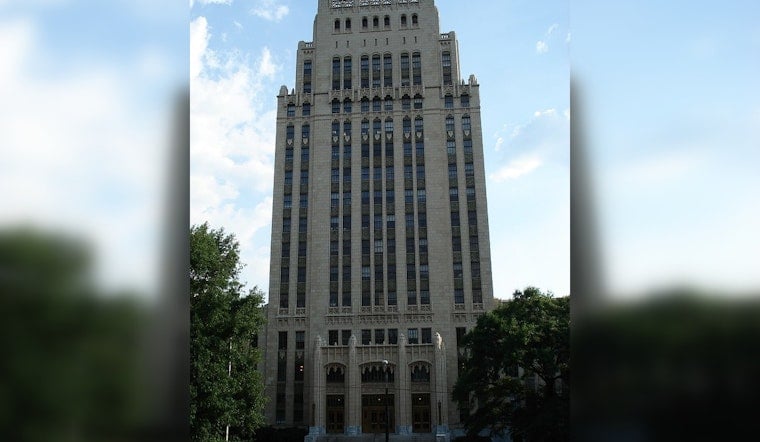
Atlanta is getting serious about artificial intelligence at City Hall, moving from splashy pilot projects to something a lot more permanent. After a year-long Artificial Intelligence Commission wrapped up its work and delivered a final report to City Council, Councilmember Matt Westmoreland filed legislation to turn that temporary group into a standing Artificial Intelligence Advisory Board that would meet quarterly. City officials say the new board would help steer how Atlanta uses AI in service delivery, procurement and workforce programs, tightening up rules and oversight as new tools roll out across departments.
According to 95.5 WSB, the original commission pulled together city officials, technology experts, academics and industry leaders and urged “responsible, transparent and innovative” uses of AI inside municipal operations. Senior Technology Advisor Donnie Beamer told the station that Atlanta is well positioned to cash in on its corporate and academic footprint, noting that “80% of the Fortune 500 is represented here across the skyline.” He also pointed to pilot projects that use AI to triage service requests and speed up responses for pothole repairs and missed garbage pickups.
What the commission recommended
The commission’s final report zeroes in on five big buckets: responsible AI use in city government, procurement reforms for AI tools, legal compliance, workforce readiness and ongoing oversight to protect residents from bias and privacy harms, according to Hypepotamus. The full recommendations have been posted by Westmoreland’s office and will be formally filed with City Council for consideration, per Post 2 At-Large. If the measure passes, the advisory board would become a permanent body that meets every quarter to review new AI deployments and offer policy guidance to lawmakers.
Where you will actually see AI
City technology plans already tee up broader use of generative AI and tools like Microsoft Copilot to assist staff and power resident-facing services such as ATL311 live chat and smarter case routing, as laid out in the city’s AIM budget presentation. Those budget documents project modest savings and new revenue from digital efficiencies while the city pilots AI in customer service and asset management. Officials are pitching these systems as ways to speed repairs, cut backlogs and free up employees for work that cannot be automated.
Jobs, training and the tech pipeline
The commission put heavy emphasis on workforce preparedness, recommending training pipelines and partnerships with colleges and employers so Atlanta residents can tap into AI-adjacent jobs instead of getting sidelined by automation. That focus comes as local reporting shows AI is already reshaping hiring and driving new offerings such as the Microsoft Datacenter Academy at Atlanta Technical College. The broader question hanging over the city is whether short training programs can reliably turn into stable careers while AI-driven tools rearrange the labor market, according to The Atlanta Journal-Constitution.
Transparency, bias and public trust
Throughout its work, the commission repeatedly stressed that innovation has to move in step with accountability. Members urged transparency measures, bias audits and tighter procurement rules so vendors’ AI products can be vetted before they touch real-world services, Hypepotamus reports. Advocates and privacy experts have warned that cities which rush deployments risk locking in errors and unequal outcomes if there are no guardrails or independent review. The proposed advisory board is expected to oversee those protections and recommend reporting standards to City Council.
Next up, the legislation creating the permanent board will go before the full City Council for discussion and a possible vote in the coming weeks, and the commission’s final recommendations will be posted for public review on Westmoreland’s site, Post 2 At-Large notes. Residents and local advocates say they will be watching closely to see how Atlanta balances tech-forward innovation with real-world safeguards as City Hall moves from pilots to binding policy.





.jpg)