

























































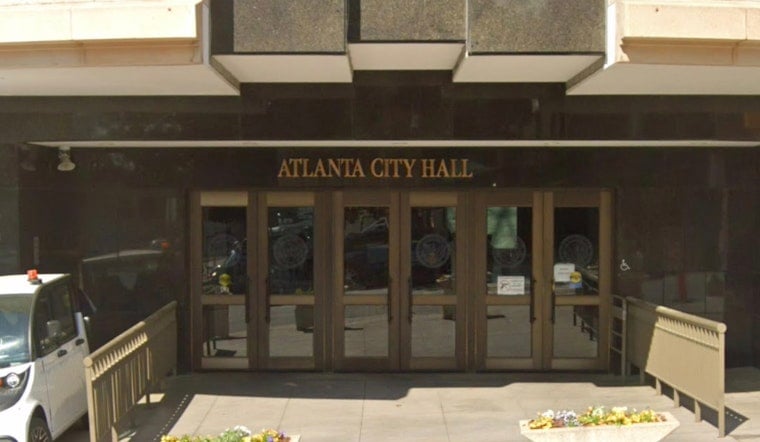
Those big, boxy self-storage buildings that have popped up along Atlanta’s corridors may soon hit a political speed bump. Atlanta City Council is considering a new rule that would force many self-storage projects to go through a special-permit process, giving elected officials and neighborhood groups more leverage over where, and whether, these facilities get built. The idea follows months of public wrangling over a high-profile Public Storage proposal near the BeltLine’s Eastside Trail and comes as the city tightens scrutiny on other resource-intensive uses. If the proposal sticks, it could reshape development patterns along key corridors and put a lid on the unchecked spread of single-use storage buildings.
Council considering special permits
Councilmembers have been floating an ordinance that would require a special-use permit for new self-storage facilities, treating them similarly to how the city now reviews data-center projects, according to the Atlanta Business Chronicle. As of June 23, the discussion was still active, with the outlet framing the measure as part of a broader push to steer certain building types into locations that are more compatible with surrounding neighborhoods.
BeltLine ban already in place
The council has already fired a warning shot at the storage industry along one of the city’s hottest corridors. City communications indicate that on June 1, the council approved ordinance 26-O-1122, which prohibits self-storage facilities within the BeltLine Overlay District, according to the Atlanta City Council. The measure appears among the actions adopted at that meeting and makes clear the council is willing to write special rules for storage projects near the trail.
Monroe Drive became a flashpoint
The latest political firestorm over storage erupted on Monroe Drive. A new Public Storage building, tied to the Atlanta Botanical Garden’s expansion plans, drew sharp criticism from the BeltLine Design Review Committee and neighborhood leaders because of its proximity to Piedmont Park. Their objections, including the DRC’s statement that a storage use "does not belong on the BeltLine," are documented by SaportaReport. The controversy helped revive calls to clamp down on similar projects across the city.
Why the “data-center” model matters
The Atlanta Business Chronicle reported that councilmembers are eyeing the city’s new approach to data centers as a template for storage. That precedent injected extra technical scrutiny into what used to be fairly routine permits. Atlanta debated a special-permit process for data centers last year, according to WSB-TV, and industry coverage detailed the kind of resource-management plans those projects now have to produce, including grid-interconnection and water-usage assessments, as ConstructConnect noted. If council applies that same framework to self-storage, developers can expect to submit technical analyses and sit through public hearings before their projects get a green light.
Where sponsors and neighbors stand
The BeltLine storage restriction was sponsored by Councilmember Jason Dozier, who has called self-storage a "non-active usage" that clashes with the BeltLine’s walkable, mixed-use vision, according to Axios. Advocates pushing for more housing, shops, and restaurants along the trail have emerged as some of the loudest critics of new storage proposals. As of the Atlanta Business Chronicle report, industry groups had not publicly lined up behind the special-permit plan.
What’s next
The special-permit proposal still has a few procedural hurdles ahead. It will need to clear committee review and win additional council votes before it becomes part of city code. Residents who want to track the debate can follow the hearings through the council’s calendar and committee agendas on the Atlanta City Council website. Ordinance 26-O-1122 and related zoning measures appear in the council’s public meeting records and are detailed in the Zoning Committee minutes available on the Zoning Committee record.





