

























































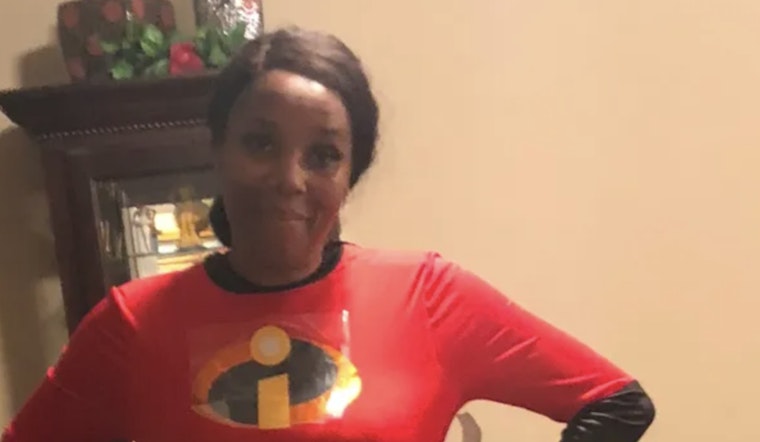
Adrienne Wells‑Chapman, an Atlanta resident recovering from congestive heart failure, says the federal government has essentially erased her from the land of the living. She says the Social Security Administration mistakenly dropped her into its death records last September, a clerical misfire she says froze her bank account, cut off food assistance and Medicaid, and left her staring down more than $100,000 in hospital bills. She has launched a GoFundMe to help cover the mounting medical expenses while she battles to get her records corrected, and she says the error is still wreaking havoc on her finances and access to care.
Her ordeal surfaced publicly after local reporting dug into her case. As reported by WSB‑TV, a recorded call with a Social Security representative captured the agency’s file listing her as deceased, with the “date of death” entry going back to September 2025. According to that reporting, the mistaken status has also blocked her from using a bank account and from receiving benefits while she tries to recover.
Agency guidance on fixing “erroneous death” listings
The Social Security Administration actually has an official playbook for cases like this, known inside the agency as an “erroneous death” fix. According to the Social Security Administration’s POMS manual, field offices can issue an Erroneous Death Case Notice that other institutions rely on to update their own records, from banks to insurers and other third parties. The goal is to unstick frozen accounts and restore benefits once the mistake is confirmed.
To get that process started, the agency’s contact page lists a national phone line, 1‑800‑772‑1213, along with an office‑locator tool for setting up appointments and finding out what identification to bring. The guidance in SSA POMS and on Social Security’s contact page walks people through those basic steps.
Why mistakes still occur
Advocates and former agency officials say mistakes like this are not just flukes, they are symptoms of a strained system. Staffing cuts and major system changes have increased delays and clerical errors, which can make situations like Wells‑Chapman’s even harder to unwind, as reported by Newsweek.
Local investigative reports have documented a similar domino effect in other cities. In Philadelphia, one woman spent months trying to restore her benefits, and at least one attorney has started pursuing proposed class actions over wrongful death listings, according to CBS Philadelphia. Lose your official status as “alive” in the database, and everything from health coverage to basic banking can tumble after it.
Legal options and local hurdles
Some families have taken the fight into court. A Maryland family filed suit alleging that Social Security’s error in declaring a relative dead caused long‑term harm, according to WBAL. Their case highlights what is at stake when a simple data entry mistake collides with the systems people rely on to survive.
On the ground, getting these problems fixed in person has become trickier. Reductions in in‑person field office access and planned office changes have made walk‑in solutions harder to pull off, something local reporting around the country has documented. Officials and advocates therefore urge people to check office status before heading out and to be ready for more than one visit.
Community legal‑aid groups and consumer advocates recommend going into any fix‑it effort with a paper trail: keep every piece of correspondence from Social Security, log every call with dates and the names of anyone you speak with, and seek help from pro bono counsel or your congressional office if a correction drags on.
Wells‑Chapman says she is still working to restore her records and benefits while juggling her recovery and a stack of medical bills. For anyone who suspects Social Security has mistakenly marked them as deceased, the standard advice is to call the agency’s national number at 1‑800‑772‑1213, keep copies of any notices or case numbers the agency issues, and contact local legal‑aid or your congressional office if the fix stalls.




