

























































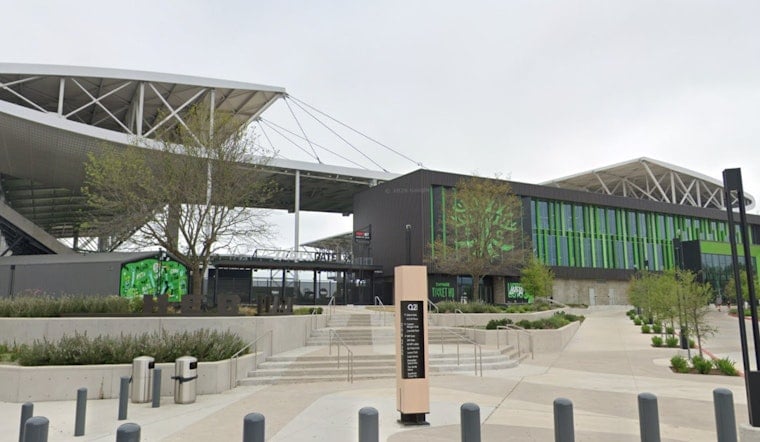
Austin will not host an official 2026 FIFA World Cup game, but the city is already feeling the tournament buzz as teams, staff, and fans begin to arrive. The Saudi Arabian national team has picked Austin as its U.S. base, and a mix of exhibition play, VIP traffic, and public watch parties is set to crank up demand on hotels, roads, and local services. City emergency managers are zeroed in on heat, lightning, and crowd safety as peak summer weather collides with a wave of international visitors, with multiple agencies working in sync on logistics for the coming weeks.
David Wiechmann, Austin's emergency management director, told KVUE, "It's summertime here, so we're expecting an influx of travelers any time that the Austin area hosts major events." He said teams are focused on keeping people cool, lining up clear evacuation routes, and planning for weather-related evacuations at outdoor venues, particularly if lightning moves in. Those preparations involve close coordination with venue operators and regional partners to cut down on delays and safety risks.
The Federal Aviation Administration has issued a temporary flight restriction covering Q2 Stadium and nearby hotels, limiting traffic to emergency flights and approved commercial use, according to the FAA. The measure is meant to ease air-traffic congestion and keep airspace clear for visiting delegations as they arrive. Officials also emphasized that recreational drones will not be allowed near the venue.
As reported by KVUE, the Saudi Arabian national team arrived in Austin this week and is set to face Puerto Rico in a friendly match at Q2 Stadium on June 5. Austin might not get a World Cup fixture, but the exhibition game effectively turns Q2 into a training and hospitality hub for visiting squads. The match and related arrivals are expected to produce a sharp day-of spike in traffic, visible security activity, and hotel bookings around the stadium district.
Health and medical readiness
Austin Public Health is tracking potential disease exposure and transmission risks tied to the influx of visitors and plans to coordinate closely with local hospitals and clinics so guests can access care if needed. The department expects to stage surge resources and will keep pushing reminders about heat illness prevention and recommended vaccinations. Officials say the public-health playbook centers on fast response and steady information-sharing with event organizers and partner agencies.
Watch parties, crowds, and public programming
The city’s Arts, Culture, Music, and Entertainment Office will host free public screenings of the World Cup opening matches on June 11 and June 12 at Auditorium Shores, with an expected turnout of roughly 5,000 people. The free events are part of a broader slate of fan programming meant to give residents and visitors a communal place to watch the tournament, according to the City of Austin. Organizers are urging attendees to come prepared for the heat, bring plenty of water, and opt for public transit when they can.
Police, transit, and what to expect
The Austin Police Department says it is handling World Cup-related arrivals the way it tackles other large events and does not expect an unplanned surge beyond current staffing and traffic-management plans. Even so, officials are warning drivers to plan for localized congestion around the stadium on event days and to build in extra time for security checks at hotel zones. Fans passing through Austin on their way to official matches in Houston and the Dallas-Fort Worth area are also expected to add pressure on both the airport and major roadways.
For locals, the next two weeks double as a stress test in event logistics: an international team base, a pre-tournament friendly, and big-screen viewing parties that bring global attention without a single official match. City agencies say the goal is to keep the whole operation safe and smooth while still letting Austin enjoy a front-row role in World Cup week.




