

























































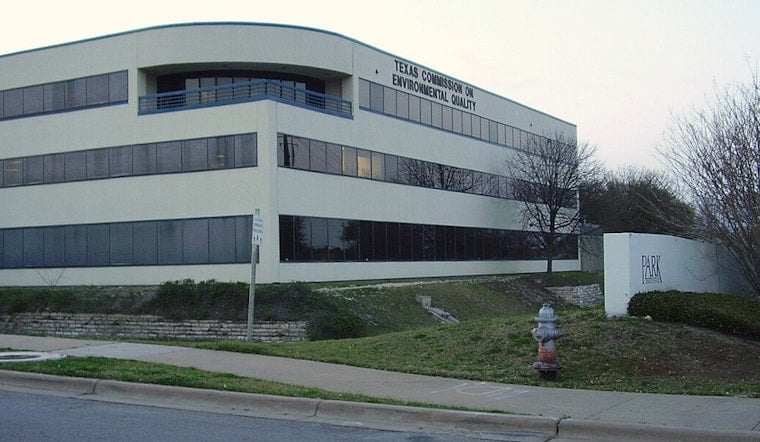
Texas regulators are weighing a controversial new way to stretch the state’s water supply: letting treated fracking wastewater, known as produced water, be sprayed on farmland and other lands. The Texas Commission on Environmental Quality (TCEQ) has rolled out draft rules, set a hybrid public hearing for Tuesday, June 15, and opened a public comment period that runs through June 16. Supporters see a potential lifeline for drought-stricken regions. Critics see a lot of unanswered questions about what ends up in the soil and, eventually, on dinner plates.
What the draft rules would require
Under the proposal, any site applying for produced water would fall under TCEQ’s existing wastewater permitting system and would have to file technical reports showing how groundwater and drinking water would be protected. The draft rules list required testing for salts, nitrate, chloride, sulfates, pH, and Escherichia coli, and they spell out minimum setbacks: at least 100 feet from surface water, 150 feet from private wells, and 500 feet from public wells, storage tanks, and water treatment plants.
As outlined by the Texas Register, much of the framework mirrors what is already used for municipal and industrial wastewater. What is not in the draft is routine testing for radionuclides, PFAS or a broad slate of heavy metals, a gap that environmental advocates highlight as a major sticking point.
Pilot projects and what they found
To see how far treatment technology can go, the Texas Produced Water Consortium at Texas Tech ran pilot projects in the Permian Basin, analyzing 60 samples from five treatment systems. After desalination and additional polishing steps, the treated water showed sharp reductions in many organic pollutants, salts and some radioactive indicators.
According to the consortium’s 2026 water-quality report, more than 98% of comparable drinking-water parameters in polished, desalinated produced water met TCEQ drinking-water limits, and many polished samples showed no observable toxicity in whole-effluent tests. Consortium leaders caution that the work is still in the early innings: soil, crop and wildlife monitoring is ongoing to track long-term effects, and performance differs from one treatment train to another. More large-scale pilots are slated for 2026. As detailed by the Texas Produced Water Consortium, the findings are encouraging but far from a final verdict.
Where advocates and opponents land
Oil and gas interests, along with some researchers, argue that modern treatment technology combined with strict, site-specific permits can make reuse safe while easing pressure on shrinking freshwater reserves. “The science supporting beneficial reuse of produced water is well-established,” Tulsi Oberbeck of the Texas Oil & Gas Association told Click2Houston.
Environmental groups say the draft rules lean too heavily on municipal wastewater standards that were never designed for complex oilfield waste. They want explicit contaminant limits and broader, more frequent testing built into the rule itself. “TCEQ took a shortcut,” Sierra Club water coordinator Evgenia Spears said, arguing the agency should tighten safeguards before any large-scale rollout. A consultant linked to the Environmental Defense Fund similarly urged regulators not to “move reuse too quickly” and to let permit applications and data fill in key scientific gaps first.
What happens next
TCEQ will take oral testimony at the hybrid hearing and will accept written comments until 11:59 p.m. on June 16. Details on how to register for the hearing or submit comments are posted in the agency’s rulemaking notice. Once the comment window closes, staff can revise the draft before sending it back to the three-member commission for further action.
Even if the rules are adopted, individual Texas Land Application Permit (TLAP) requests will still be handled case by case. Applicants will have to show in their technical reports how they plan to protect groundwater and comply with monitoring and reporting requirements as a condition of any permit. For logistics and participation details, see TCEQ’s public hearing notice and the online comment portal.
Legal and regulatory note
This rulemaking carries out Senate Bill 1145, which shifted authority for land-application permits for treated produced water to TCEQ and ordered the agency to adopt standards that prevent pollution of both surface and subsurface waters. The bill’s committee analysis, available on the Texas Legislature’s website, explains how the law applies to new permit applications and spells out TCEQ’s duty to craft protective standards. Permit applications filed before the law took effect remain under the old rules, while new applications will be reviewed under TCEQ’s updated framework once it is finalized.
The proposal effectively turns Texas into a test case for converting a massive oilfield waste stream into a potential water source for agriculture. Whether this becomes a practical and safe tool for farmers will depend on how the pilots pan out, how tough the final rule language is, and how rigorously permits are enforced. Texans can watch the hearing online and file comments through the TCEQ portal until midnight on June 16.





