

























































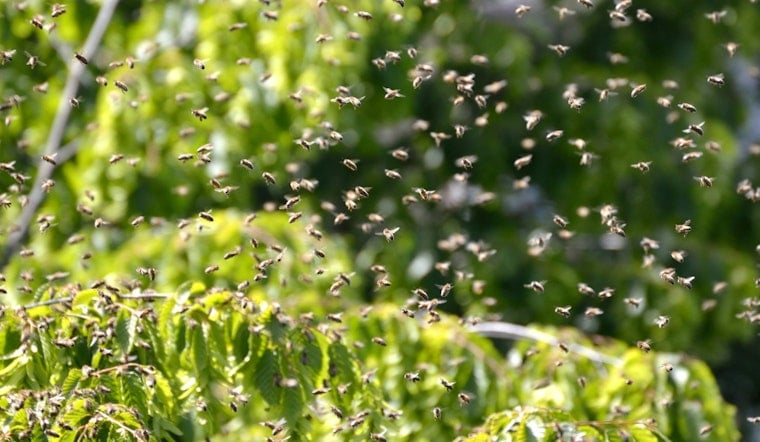
A routine bit of yard work in West Covina turned into a deadly emergency last week, when a 91-year-old man was fatally attacked by a swarm of bees in his own backyard. Neighbors who discovered him say the attack seemed to come out of nowhere. First responders were called to the home, but the man was pronounced dead at the scene, leaving the block stunned and rattled about hidden hives in otherwise quiet neighborhoods.
West Covina police told investigators the man is believed to have disturbed a beehive while working outside, triggering a swarm of hundreds of bees, according to NBC Los Angeles. A neighbor who had last seen him on Sunday or Monday later found him unresponsive in the backyard. The case was forwarded to the Los Angeles County medical examiner, which listed the cause of death as “toxic envenomization.” Investigators told the station they do not suspect foul play.
"Toxic envenomization" is the clinical term for poisoning from injected venom. Medical literature notes that heavy envenomation or anaphylaxis can trigger respiratory failure, cardiac collapse and other life-threatening complications, especially in older adults, according to a clinical review in PubMed Central. While a single sting is usually manageable for most people, a swarm attack delivers many stings at once and can overwhelm the body’s defenses.
Why Bees Swarm This Time of Year
Swarms are a normal part of honey bee reproduction in late spring and early summer, when strong colonies split and scout for new nesting spots. County experts say these swarms often cluster on trees, fences or building overhangs for a short time before moving on. The Los Angeles County Department of Agricultural Commissioner operates a bee-info line and offers a feral bee abatement guide with step-by-step advice for residents, and it directs callers to registered beekeepers for safe hive removal. Past incidents in the region have sent people to the hospital, including a swarm in Encino in 2023 that hospitalized two people, underscoring how unpredictable a disturbed hive can be for anyone nearby.
What To Do if You Spot a Swarm
Extension and pest-management experts warn homeowners not to climb ladders, spray chemicals or otherwise try to deal with a settled swarm on their own. Instead, they recommend contacting a local beekeeper, a licensed pest control operator or a county extension office to get a referral to a qualified swarm-catcher, according to University of Florida extension guidance. Many county agricultural departments and extension services keep lists of volunteer swarm-catchers or licensed removal professionals who can relocate the bees safely.
If anyone nearby is collapsing, struggling to breathe or showing signs of anaphylaxis, officials urge bystanders to call 911 immediately and seek emergency medical care. West Covina police and county authorities have not released the man’s name, citing the need to notify his family first, and detectives say they are still reviewing the circumstances of the attack. For residents worried about hives around their homes, county bee-info resources and local extension offices remain the main starting points for safe removal and prevention advice.





