

























































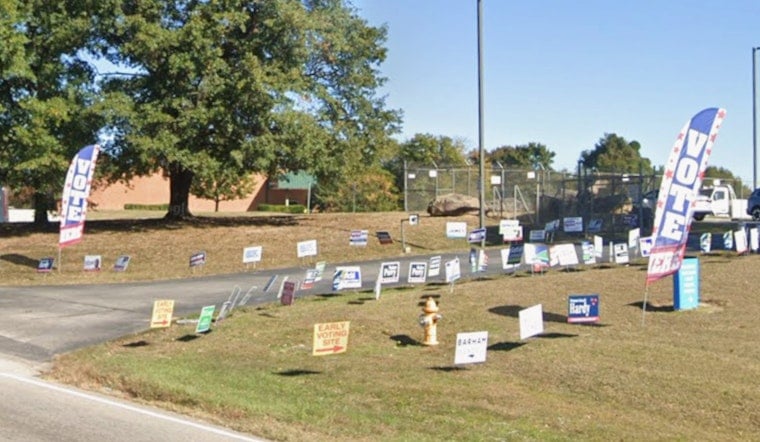
A North Carolina House committee today advanced a proposal that would flip municipal elections in all 11 Moore County towns, plus the city of Albemarle, from nonpartisan ballots to full-on partisan contests, while shifting Moore County races, including the county school board, into even-numbered election years. The change would slap party labels onto local ballots and create partisan primaries in places that now run nonpartisan elections. Backers say syncing local races with higher-profile election days will pull more voters into the process, while critics warn it could sideline unaffiliated candidates and chip away at local control.
Rep. Neal Jackson (R-Moore), who is carrying the measure, framed it as a clarity move for voters, saying "the whole idea of going from nonpartisan to partisan is just letting everybody know what your belief system is." As reported by WUNC, the amendment cleared the House elections committee on Tuesday.
What the bill would change
The amendment language filed with the General Assembly would move Moore County municipal elections into even-numbered years and convert mayoral and town board races in the listed municipalities from nonpartisan to partisan contests. Documents from the North Carolina General Assembly detail the specific calendar changes and ballot formats that would apply to each town and to Albemarle.
Part of a larger trend
The proposal slots into a broader pattern at the legislature, where lawmakers have used omnibus local bills in recent years to rework municipal election rules in other counties. In 2024, a statewide bill made most Forsyth County municipal races partisan, a move that prompted criticism from several local mayors, as covered by WFDD. The North Carolina League of Municipalities has cautioned that these kinds of piecemeal charter changes, folded into large bills, can move ahead at the state level without deep, on-the-ground consultation with the cities and towns they affect.
How primaries and ballot access would shift
Under partisan rules, candidates generally must compete in party primaries to secure a spot on the November ballot as a party nominee. Those who do not want to run under a party banner would have to qualify by petition, in line with state law. North Carolina General Statutes Chapter 163 lays out the petition signature requirements and filing deadlines for unaffiliated and petitioned candidates.
Unaffiliated voters would still be able to pick one party’s primary to vote in, consistent with the state’s semi-open primary approach summarized by the NCSL. The big change would not be who can vote in primaries, but that local races would now run through that partisan primary structure at all.
What's next
With committee approval in hand, the amendment now heads for further action in the legislature, including a vote on the House floor and, if it advances, potential consideration in the Senate. WUNC also reported that Democrats on the House elections committee said they had limited time to study the new language before the vote, and some local officials have not formally lined up behind the proposed shift.





