

























































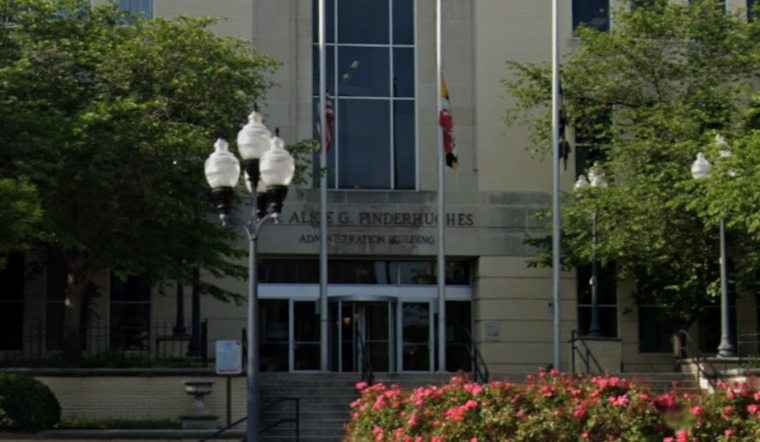
Baltimore City Public Schools and the city's charter operators have finally called a truce in their long-running fight over money, reaching a settlement Tuesday that closes years of legal wrangling over how the district funds publicly subsidized charter schools. The agreement includes a one-time $5.2 million distribution to charter operators and a promise to adopt a new funding formula starting in the next fiscal year.
Deal details
The school board voted to distribute an additional $5.2 million to 30 charter schools that together enroll more than 13,000 students, with each school’s share tied to enrollment. Payouts range from roughly $103,000 for a school with 161 students to about $900,000 for one with nearly 1,400 students. In return, charter operators must start paying the district for school-police services at a per-student rate between $150 and $192, with that fee allowed to rise up to 8% a year. All sides agreed not to challenge the terms for four years, and the settlement explicitly resolves funding issues for this and prior fiscal years, as reported by The Banner.
How the new formula will work
Starting in FY27, City Schools says it will use the Maryland State Board of Education’s methodology for charter allocations. That approach separates eligibility-based revenue from non-eligibility funds and then deducts shared costs such as retiree benefits, special education adjustments, and certain debt service. The district’s FY27 Adopted Budget outlines the five-step calculation process and notes that a 5% administrative fee may be deducted to cover central services. The State Board’s April action adopting COMAR 13A.02.10 locked in the regulations that support the district’s new approach.
Legal pressure pushed the settlement
Charter operators did not get here by playing nice. They pressed their case through state proceedings this spring, arguing that the district’s FY26 formula misused allowable deductions and failed to provide clear information. According to a law firm representing several operators, a March ruling required the district to recalculate allocations and improve its reporting, a shift that helped nudge both sides into settlement talks; see Barton Gilman's press release for background.
District and operator reaction
In a joint statement provided to The Banner, Baltimore City Public Schools and charter leaders said the settlement “provides greater clarity and stability around charter school funding while reinforcing our shared commitment to serving all students and families across Baltimore City.” Both sides are pitching the deal as a reset that delivers stability and clearer rules for how program dollars flow.
What comes next
The district will start using the new methodology in FY27, and the one-time payments are expected to land by the end of the month under the settlement terms. Operators and City Schools will live under these rules for at least four years, a runway that gives both camps time to sort out budgeting practices and central-service charge arrangements. Parents and school leaders will be watching closely to see how the new police-service fees and administrative deductions ripple through classroom budgets in the months ahead.





