

























































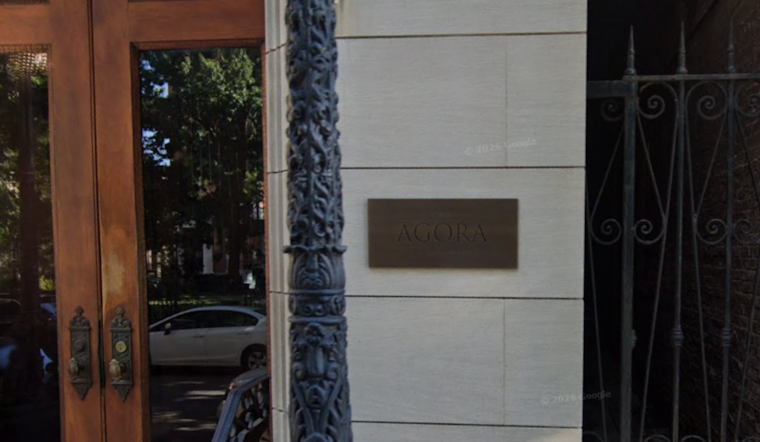
Baltimore is dragging one of Mount Vernon's most prominent publishers into court, accusing The Agora Companies of peddling what city lawyers call modern-day “snake oil.” In a lawsuit filed Tuesday, the city says Agora ran deceptive online ad campaigns that funneled residents into long advertorial videos and high-pressure subscription pitches that misrepresented product benefits. The complaint seeks court orders to halt those practices and to impose civil penalties, with officials framing the case as a bid to protect vulnerable consumers and rein in predatory marketing in Baltimore neighborhoods.
What the complaint says
According to Baltimore Business Journal, the lawsuit sketches out what the city describes as a repeatable playbook: flood the internet with targeted ads, drive clicks to longform “advertorials” or videos, then steer users to checkout pages that sell short-term subscriptions at roughly $100 and pricier “lifetime” tiers. The filing alleges those sales pages bury key terms, mislead consumers about likely results, and rely on unsupported health or financial claims to convert readers into paying subscribers. City attorneys are asking a judge to block the contested tactics and to order remedies for residents who were allegedly harmed.
Regulators' history with Agora affiliates
The lawsuit lands against a backdrop of earlier regulatory trouble for related publishers. In 2021, the Federal Trade Commission announced a settlement with Agora-linked operations that had marketed a so-called “Doctor’s Guide” that promised to reverse type 2 diabetes, along with other allegedly misleading programs. The FTC press release says the companies agreed to pay more than $2 million and were barred from making unsubstantiated health and financial claims. Baltimore officials say they reviewed that enforcement history while shaping the new complaint.
Agora's Mount Vernon footprint
The Agora Companies list their headquarters at 14 West Mount Vernon Place and describe themselves as a network of financial, health, and lifestyle publishers. Critics and consumer advocates have for years accused pieces of the Agora empire of relying on aggressive direct-response marketing, a pattern that has been chronicled by Courthouse News. How a judge evaluates those business practices now could ripple beyond consumers who clicked on ads, affecting a neighborhood where Agora maintains a large physical footprint and a long local history.
City response and what it seeks
The Baltimore City Law Department filed the case on behalf of the Mayor and City Council, and Mayor Brandon Scott has said the move is aimed at protecting residents from predatory marketing, according to Baltimore Business Journal. The complaint asks the court for injunctive relief, corrective disclosures, refunds for affected consumers, and civil fines of up to $1,000 per day for each alleged violation. The lawsuit will now wind its way through the city’s courts, where it is expected to draw close attention from both consumer advocates and the broader publishing industry.
Legal implications
Baltimore is testing the reach of its municipal consumer-protection tools, the same kind of local authority that other cities have leaned on recently to challenge deceptive-sounding digital marketing campaigns. Publishers typically counter with First Amendment arguments when their commercial speech is challenged, and past rulings have split depending on whether judges concluded that concrete deception occurred. Observers note that a win for the city could make it easier for other local governments to pursue aggressive online direct-response efforts that zero in on vulnerable consumers. Similar questions have surfaced in govinfo.gov records of recent Baltimore enforcement cases.
For Baltimore residents, the lawsuit stands out because it targets a major hometown company with deep roots in Mount Vernon while aiming at the revenue engine behind a wave of attention-grabbing direct-response ads. However, the court rules, the outcome could reshape how publishers pitch their products online and how city officials respond when locals say they were misled by digital marketing campaigns.





