

























































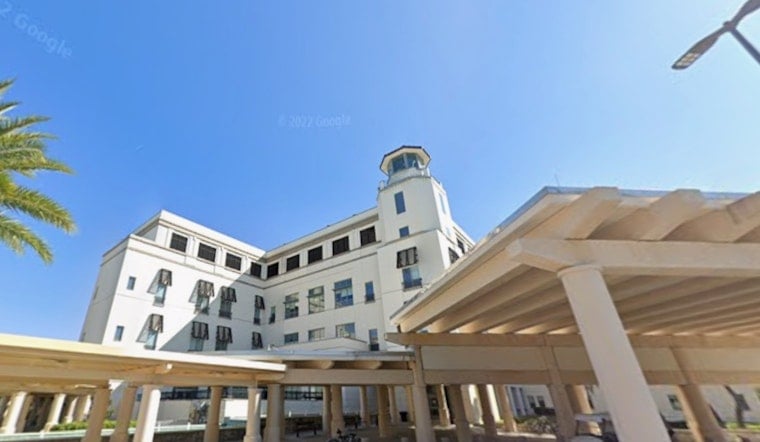
At the Bay Pines VA campus in St. Petersburg, some disabled veterans working in benefits and other office jobs say they are being pushed back into full-time, in-person schedules even when doctors have recommended telework or other accommodations. The shift follows a governmentwide effort to roll back routine remote work, and veterans and advocates say it has left staff quietly calculating how much health risk they can take on to keep their pay and benefits.
Local Employees Say They Were Ordered Back
Workers at the Veterans Affairs St. Petersburg Regional Office told the Tampa Bay Times that staffers with service-connected conditions, including chronic pain and PTSD, were instructed to return to the office "against medical advice." One employee, Rachael Parker, told the paper she starts yoga before dawn to manage pain caused by sitting at a desk, according to the reporting.
Federal Orders And VA Policy
On Jan. 20, 2025, President Trump issued a Presidential Memorandum directing federal agencies to terminate routine remote-work arrangements. The Department of Veterans Affairs followed with its own memo revising Handbook 5011 to carry out that directive. The VA guidance says telework will be limited and that exceptions may be granted for employees with disabilities or qualifying medical conditions, although advocates say the way that carveout is being applied has been uneven. The White House memorandum and VA guidance lay out the full policy details.
How VA Is Implementing The Order
Reporting from Federal News Network shows the VA has moved to rescind many telework and remote-work agreements and instructed supervisors to line up office space while phasing out remote setups on a staggered timeline. Federal News Network also reported that the agency estimated roughly 20% of its workforce had telework or remote-work arrangements before the change, a shift union leaders warn could strain staffing and services.
Union Response
Union leaders have pushed back, arguing that the White House return-to-office push risks trampling collective-bargaining protections and disability safeguards. AFGE National President Everett Kelley called the directive a "backward action," according to coverage by NPR, and unions say they plan to use legal and bargaining tools to defend their members.
Legal Protections And Next Steps
Federal law requires agencies to provide reasonable accommodations to qualified employees under the Rehabilitation Act. Guidance from the Equal Employment Opportunity Commission and the Office of Personnel Management explains when telework can qualify as a reasonable accommodation. Those documents describe an "interactive process" that supervisors and employees are supposed to follow and note that working from home can be an appropriate accommodation when an employee’s condition makes on-site work infeasible.
What Comes Next In St. Petersburg
In St. Petersburg, advocates told the Tampa Bay Times they plan to press for accommodation reviews and to watch closely whether supervisors actually follow the VA’s exemption language. The VA’s St. Petersburg regional page lists the Bay Pines office and available veteran services, but it remains unclear how staffing and in-person schedules there will shift as the national policy is rolled out. The VA regional page provides contact and appointment details for those trying to navigate the changes.
Employees and advocates say they intend to track accommodation denials and are prepared to file formal complaints if they believe the agency failed to follow the law. For now, the dispute offers a close-up look at how a national return-to-office campaign can play out inside a local VA hub where many of the people answering phones and processing benefits are living with the long-term effects of their own military service.




