

























































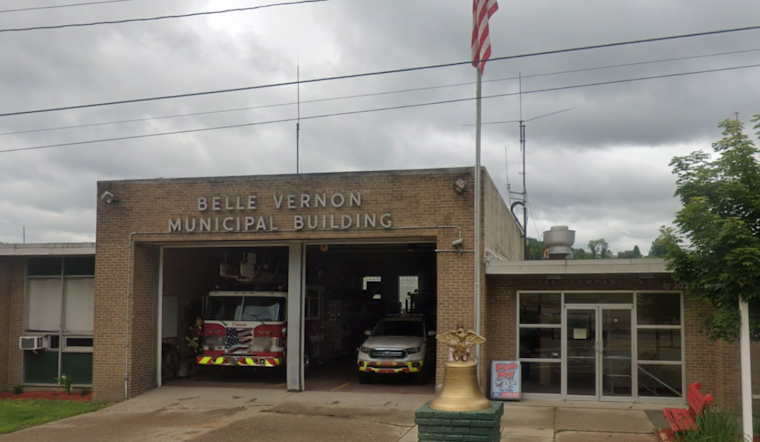
The Municipal Authority of Belle Vernon has officially lifted its precautionary boil-water advisory, but the fallout is still rippling through town. Local officials and residents are pressing for straight answers about why the notice went out in the first place and how that information was shared, leaving some to wonder whether the bigger problem was in the reservoir or in the messaging.
The borough announced that the Municipal Authority ended the advisory after “comprehensive water testing” on May 31, June 1, and June 2, along with a “precautionary flushing” of the distribution system that showed “no contamination detected.” According to the Borough of Belle Vernon, the authority thanked customers for their patience and cooperation while crews carried out the work. The notice presents the whole episode as a routine follow-up to scheduled maintenance rather than a response to any confirmed contamination.
Local TV coverage reports that the advisory was triggered after repairs to the borough’s reservoir, with officials warning that the work could have allowed contaminants into the system. Customers were told to boil their water for two consecutive days after testing cleared the supply. As reported by WPXI, crews flushed distribution lines and collected samples for lab analysis as the maintenance wrapped up.
Local leaders want clarity
In a brief video segment, CBS News Pittsburgh highlights a local leader who is openly questioning what exactly happened during the advisory and whether residents got enough warning. The station’s coverage shows officials and neighbors alike asking for a clearer timeline of the reservoir work, the testing, and how the authority communicated with customers as events unfolded.
Why testing and timing matter
State rules require rapid, direct notice to the public and consultation with regulators when a Tier-1 public notice goes out, and the Pennsylvania Department of Environmental Protection spells out the notification and testing steps that drinking water systems must follow. Guidance from PA DEP explains that utilities need immediate outreach at the start of an event and a formal “problem corrected” notice once it is resolved. In general, systems have to document two consecutive days of bacteriological samples showing no contamination before lifting a boil advisory.
Utilities such as Pennsylvania American Water note that lab incubation times and sampling schedules are often the reason a precautionary advisory lingers even after physical repairs are finished. The testing clock, not the wrench work, is what usually dictates when an advisory can safely be declared over.
What residents should do now
During a boil-water advisory, residents served by systems like Belle Vernon’s are typically instructed to use boiled or bottled water for drinking, cooking, and brushing teeth until they receive formal notice that the advisory has been rescinded. Federal health guidance says to follow CDC recommendations to bring tap water to a rolling boil for one minute before use. The CDC’s boil-water toolbox also provides checklists covering baby formula, dishwashing, and basic household hygiene during an advisory. For current local information, residents can check the borough’s advisory page or the Municipal Authority’s customer notices for the latest updates.



