

























































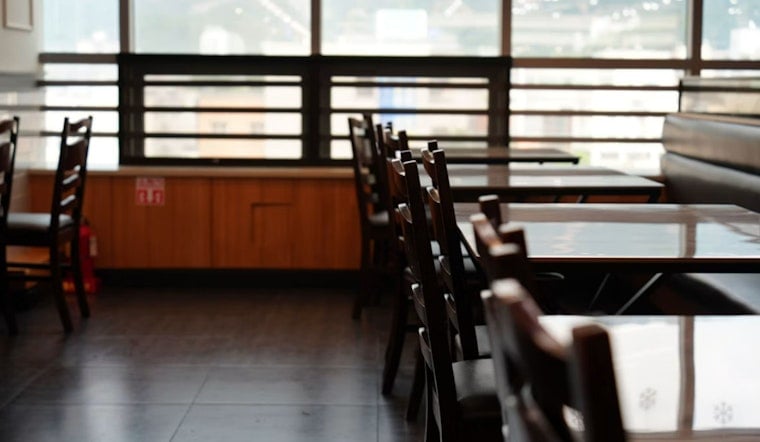
On a recent slow night in Oklahoma City, one restaurant owner told staff that if no walk-ins showed up by 7 p.m., he would start cutting shifts and sending cooks home. With only a few reservations on the books, the math did not pencil out. Across Oklahoma, owners say that mix of rising costs and strained household budgets has turned ordinary weeknights into survival tests. For many independently run kitchens, the choice now feels blunt: take fewer risks or risk shutting the doors.
Those front-line decisions came into focus in reporting from The Oklahoman, which described operators telling managers to trim staff and scale back offerings when foot traffic slumps. The coverage links that local strain to a wider tangle of supply and price issues, from tariff-fueled equipment expenses to ingredient bills that keep climbing. Owners say they are trying to cover the same fixed costs with fewer diners, which speeds up hard calls about menu size, portioning and staffing levels.
Consumers are pulling back, and in large numbers. About 70% of Oklahomans told pollsters they have cut down on dining out or ordering takeout in the past year, according to reporting from KOSU. Economists quoted in that work point to higher grocery and gasoline bills, which make restaurant meals one of the easier discretionary expenses to trim. The result on the ground is quieter dining rooms, fewer impulse visits and a heavier push for promotions and bundled deals to coax people back in.
National numbers help explain the sticker shock. The Bureau of Labor Statistics’ May consumer price release showed its “food away from home” index up 3.5% year over year, while overall consumer prices rose 4.2% over the same period. In an industry this tight, even small increases in the cost of proteins, dairy or energy can trigger menu price tweaks or subtle portion shifts to keep margins intact. For operators already working with profits in the single digits, those moves are not optional.
How operators are responding
Across Oklahoma, many restaurants are slimming down their menus, leaning on shorter lists they can execute consistently and profitably. Specials are rotating more often to chase seasonal ingredients and whatever is coming in a bit cheaper. Behind the scenes, owners are turning to digital ordering tools and closer inventory tracking to squeeze out waste.
The National Restaurant Association’s 2026 State of the Industry report urges operators to invest in technology and productivity upgrades as a way to blunt ongoing cost pressure, and local chefs appear to be taking that advice seriously. In interviews with reporters, they describe cross-training staff, trimming hours on reliably slow nights, and emphasizing dishes that hold margins more predictably than some of the splashier, labor-heavy plates.
Winners, losers and the risk of consolidation
Industry analysts caution that the shakeout is unlikely to hit every corner of the business equally. Weaker full-service spots are more exposed, while fast-casual and discount-focused concepts are positioned to scoop up diners looking for cheaper, quicker options, according to recent trade coverage. Black Box Intelligence, cited in FSR, flagged Oklahoma City and Tulsa among Southwest metros with higher concentrations of full-service locations considered at risk of closing.
When a dining room does go dark, nearby competitors often see a bump as regulars look for a new spot to land. But analysts note that only restaurants that hit the right mix of price and convenience are likely to hang on to that extra business once the initial shuffle settles.
What diners should expect
For customers, the changes will be visible on the menu and in the routine. Expect more rotating lineups of dishes, tighter wine lists and an emphasis on bundled offers, especially early-bird and lunch deals geared toward keeping seats filled while labor costs stay in check. Some operators are narrowing reservation windows and pushing takeout combos to even out the nightly rush, tactics described in local reporting and operator interviews.
For now, most of these moves are about staying nimble without losing what makes each place feel like a neighborhood staple. The goal, owners say, is to hold onto familiar flavors and atmospheres while keeping the final check within reach for guests watching every dollar.
What to watch next
Going forward, monthly consumer price index releases and State Chamber consumer surveys will serve as key gauges of whether Oklahomans start returning to restaurants more often. Policy fights could matter too. The State Chamber’s polling and commentary around a minimum-wage ballot question have already become part of the broader debate over how much additional pressure operators can absorb, according to business outlets covering the poll.
In the meantime, the mission for Oklahoma restaurateurs remains straightforward, if not simple: keep diners walking through the door, keep costs from surprising them and keep margins healthy enough to see another busy Saturday night.





