

























































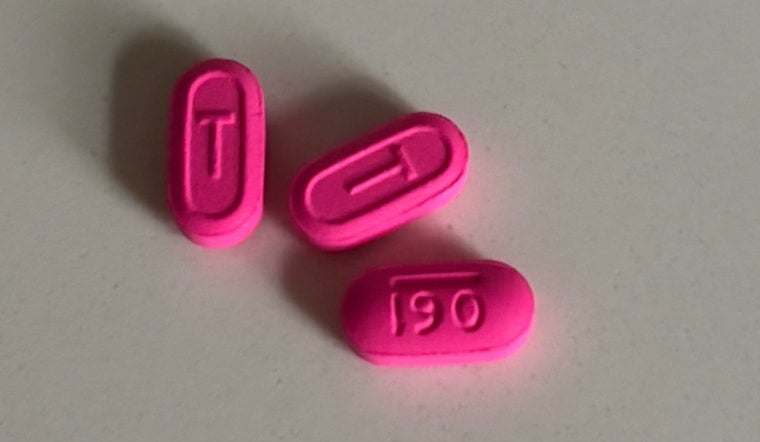
Three Connecticut children have died in the past two months after apparent overdoses involving diphenhydramine, the active ingredient in Benadryl. The deaths have reignited warnings from pediatricians and public health officials as the so‑called "Benadryl Challenge" shows signs of resurfacing on social platforms. Doctors say even common over‑the‑counter pills can be lethal when taken in large quantities, and they are urging families to treat medicine cabinets like potential hazards.
State officials confirm the deaths
The state Office of the Child Advocate confirmed the three deaths and said they occurred within the last two months, according to CT Mirror. In response, Connecticut's Department of Public Health sent an advisory to pediatricians on June 3 asking clinicians to counsel families about identifying and safely storing products that contain diphenhydramine. State officials also pointed families to mental‑health support resources, including ConnectingtocareCT.org and 211, for kids and teens who may be struggling.
Doctors warn of seizures and cardiac risks
For physicians, the medical risks are not theoretical. "You can get a lot of things, seizures, and cardiovascular effects; those sorts of things can cause death," said Dr. Gary Soffer, a pediatric allergist at Yale Medicine, describing the clinical dangers of diphenhydramine overdoses in children, per Click2Houston. Clinicians report that high doses can produce confusion, hallucinations, fast or irregular heart rhythms, seizures and loss of consciousness.
The challenge has a dangerous history
The so‑called "Benadryl Challenge," in which people take far more than the recommended dose to try to induce hallucinations, first gained attention in 2020 and prompted a formal FDA warning that high doses of diphenhydramine can cause serious heart problems, seizures, coma or death. The agency urged health professionals and platforms to be vigilant after hospitalizations and fatalities were reported at the time, and clinicians say the trend tends to flare in waves rather than disappear entirely, per the FDA.
Hospitals are shifting away from Benadryl
Many pediatric centers are reassessing routine use of first‑generation antihistamines in light of these risks. A quality‑improvement study co‑authored by Yale clinicians and published in Pediatrics found teams were able to sharply reduce diphenhydramine use and increase safer, second‑generation options like cetirizine. Experts say those alternatives, including Zyrtec, Allegra and Claritin, are less likely to cross the blood‑brain barrier and produce the sedating, delirium‑type effects linked to overdoses.
Practical steps parents can take
Health professionals recommend simple, concrete steps for families: store all medications in a locked or high‑up cabinet, remove unused bottles, and talk with children about online "challenges" and peer pressure before they are exposed to them on their phones. If a parent suspects a child has taken too much diphenhydramine, they should call Poison Control at 1‑800‑222‑1222 or seek emergency care immediately; Poison.org lists seizures, rapid heartbeat and loss of consciousness among serious warning signs and advises calling 911 for anyone unresponsive or seizing. Taking quick action can be life‑saving, clinicians say, and hospitals treat these cases with supportive care, cardiorespiratory monitoring and seizure control as needed.
Pediatricians say the best defense is supervision and conversation: lock up medicines, watch for signs of misuse, and be candid with kids about the real dangers of viral dares, as local doctors told NBC Boston. For families in Connecticut, officials also urged use of state mental‑health resources for teens in crisis, and clinicians remind parents that simple changes, a locked cabinet and a quick conversation, can prevent a tragedy.


