

























































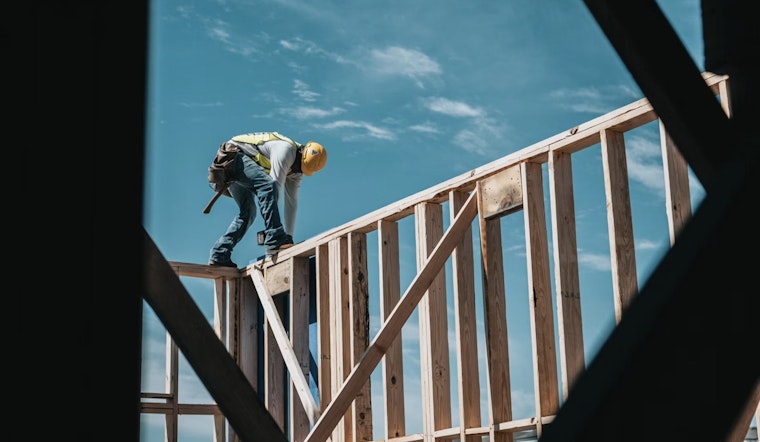
Wisconsin’s homebuilding pipeline is finally inching higher, but the recovery looks lopsided. High-end, spread-out lots are moving, while the more modest, workforce-style projects many communities say they need are still fighting a stiff headwind. State permit data show a gentle rise in single-family starts, yet stubborn material costs and local zoning rules are keeping plenty of builders on the sidelines. Industry leaders say recent state policy tweaks could help unlock denser, smaller-lot neighborhoods, but only if local officials are willing to use them.
State permits show modest gains
According to the Wisconsin Builders Association, municipalities issued 13,335 single-family building permits in 2025, a 3.9 percent bump from 2024. For January through March 2026, permits totaled 3,647, up 5.8 percent from the same stretch a year earlier. The association compiles those figures from city and county reports submitted to the Department of Safety and Professional Services, and county tables published by the Wisconsin Builders Association show gains spreading across both urban areas and many rural counties.
Where buyer demand is hottest
Buyer demand is not evenly spread, either. Realtor.com has repeatedly ranked Kenosha, Milwaukee and Appleton among the nation’s hottest housing markets this year, highlighting where new listings are getting snapped up the fastest.
Luxury lots moving faster than workforce product
Some builders are leaning into that red-hot demand at the upper end. Victory Homes is developing a 19-lot community called Bark River Conservancy in the Village of Summit. The builder’s site already shows multiple lots marked sold or under accepted offer, and company materials predict the neighborhood will be fully sold before the end of summer.
Materials and tariffs still bite
Industry leaders warn that the recent uptick could be fragile, because building materials still cost more than they did before the pandemic. Brad Boycks, executive director of the Wisconsin Builders Association, told Spectrum News that tariffs have not driven prices quite as high as some had feared, but pandemic-era spikes largely have not reversed. “It is kind of built in moving forward,” he said.
Policy changes aim to unlock smaller lots
Lawmakers have tried to give builders more options, especially for workforce housing and infill projects. As reported by Wisconsin Public Radio, recent fixes now allow WHEDA loans to be combined with municipal tax-increment financing in some developments, a change that builders and housing advocates say should make certain smaller-lot or workforce-oriented projects more likely to pencil out.
Outlook: policy helps, costs still limit pace
Federal data show the Producer Price Index for materials and components used in construction is still elevated, which keeps project costs and bids unpredictable for smaller-scale builders who do not have as much room to absorb surprises. According to the Bureau of Labor Statistics, that pressure has yet to ease in a meaningful way. The takeaway for most Wisconsin communities: hotter local markets and new finance tools might coax more building, but zoning decisions and stubborn input prices will ultimately dictate how fast smaller, more affordable homes actually come out of the ground.





