

























































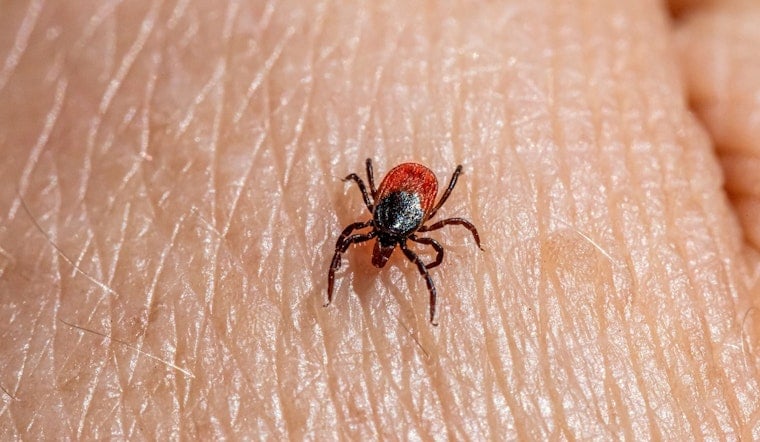
New York’s barnyards have a new uninvited guest, and it is not the kind you can shoo out of the feed room. State agriculture officials and Cornell University pest experts are warning livestock producers that the invasive Asian longhorned tick is spreading in New York, and they want farmers stepping up surveillance before pastures are crawling.
The tick is tiny and fast breeding, and it can build up in jaw-dropping numbers on cattle, sheep and goats. Heavy infestations, along with the blood parasite it can carry, are blamed for serious illness and production losses in herds. Officials are urging farmers to tighten biosecurity, check animals closely and stay in regular contact with their veterinarians.
Why farmers are on alert
The Asian longhorned tick (Haemaphysalis longicornis) reproduces without mating, and a single female can lay thousands of eggs. That means one overlooked hitchhiker can turn into a full-blown pasture problem in a hurry.
Cornell’s Animal Health Diagnostic Center has already documented Theileria orientalis Ikeda infections in New York cattle herds, and the lab cautions that infected animals may develop anemia, weakness and decreased production. As outlined by Cornell University AHDC, routine testing and consultation with a veterinarian are recommended for herds at risk.
What producers should do
Federal and extension specialists are stressing old-school, hands-on surveillance and basic biosecurity. Producers are urged to check animals daily, paying close attention to ears, under tails and in the axillary regions where ticks like to hide. New animals should be isolated and thoroughly inspected before they join the main herd, and any use of acaricides should be coordinated with a veterinarian.
The USDA’s Animal and Plant Health Inspection Service (USDA APHIS) recommends pasture management and targeted acaricide treatments to knock back tick habitat and reduce heavy infestations. University extension programs such as UW-Madison Extension offer step-by-step guidance on inspections, reporting and choosing appropriate products.
How widespread is the threat
Reports from across the eastern United States show the Asian longhorned tick steadily pushing into new territory, and several states have logged Theileria cases in cattle this season. A recent industry report pulled together detections and cattle infections from multiple states, while Connecticut’s 2025 surveillance effort alone turned up more than 4,000 longhorned ticks in statewide sampling.
For a deeper look at the regional trend, producers can review coverage from DTN alongside the 2025 tick surveillance report from the Connecticut Agricultural Experiment Station.
Local reaction
Regional outlets jumped on the advisory this week, aiming their coverage squarely at small and mid-size farms across upstate and western New York. According to the Olean Times Herald, state agriculture staff and Cornell pest experts urged producers to stay vigilant in barns and pastures, echoing the same screening, reporting and veterinary-consultation steps promoted by federal and university authorities.
Farmers who see heavy tick loads or clinical signs consistent with Theileria infection, such as pale mucous membranes, lethargy, weight loss or unexplained anemia, are urged to contact their veterinarian and state animal-health officials immediately. The USDA maintains a detailed pest alert with control and reporting guidance through APHIS, and New York health authorities have posted seasonal tick-bite prevention tips for residents via NYSDOH.
Officials say producers should follow their veterinarian’s advice on testing and treatment, and submit suspect ticks for identification if recommended. In other words, if something is crawling where it should not be, get it checked out before it becomes the farm’s latest permanent resident.





