

























































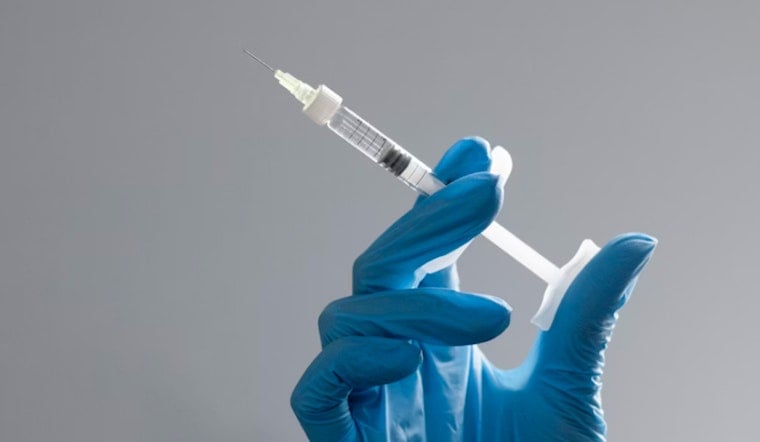
Boston scientists are again betting on a century-old tuberculosis vaccine, and this time the payoff looks a little bigger. Researchers this week reported phase II data suggesting that repeated doses of the BCG vaccine can improve blood-sugar control and trim insulin requirements in some people with long-standing type 1 diabetes and in adults with the related condition LADA. The results, unveiled at the American Diabetes Association's scientific sessions in New Orleans, come from two randomized trials that tracked participants for years. The work, led by Dr. Denise Faustman at Massachusetts General Hospital, keeps alive a long-running bid to repurpose BCG as an immunotherapy for autoimmune disease. The signal is intriguing but still early, and specialists stress that larger, peer-reviewed studies are needed before anyone talks about changing standard care.
Phase II Data Turn Heads At ADA
At the American Diabetes Association meeting, investigators laid out phase II findings that repeated BCG dosing appeared to lower insulin needs and smooth out blood sugar in two distinct patient groups, according to Nature. As Nature noted, the results line up with the broader idea that live, attenuated vaccines can have long-lasting off-target effects on metabolism and the immune system.
Who Was Studied And What Changed
One randomized trial focused on people with childhood-onset type 1 diabetes. In that arm, 34 participants received BCG and 24 got placebo. By year five, the vaccinated group saw average hemoglobin A1c drop from about 7.84% to 7.30%, and their time spent in a healthy glucose range rose substantially. A separate study in adults with latent autoimmune diabetes (LADA) enrolled 68 vaccinated participants and 27 on placebo. Over five years, those who received BCG showed preserved C-peptide, a marker that the pancreas is still making insulin, and they needed less insulin overall, while the placebo group ended up using roughly 22% more. Both trials relied on a multi-dose regimen of six vaccinations given over about five years, according to Live Science.
How The Old TB Shot Might Be Helping
Researchers say the underlying biology may not be the same in every group. In LADA, the vaccine seems to lower autoantibody levels and protect the remaining insulin-producing beta cells. In people with long-standing juvenile-onset disease, the benefit may stem more from a metabolic reset in immune cells, nudging them toward aerobic glycolysis so those cells pull more sugar out of the bloodstream. Earlier randomized and mechanistic work from the Faustman team has documented immune and metabolic shifts after repeat BCG doses, including brief restoration of islet function and epigenetic changes in immune cells. Those prior results are summarized on the Faustman Lab clinical trials page and in peer-reviewed publications that include earlier randomized trials.
Experts Urge Caution Alongside Curiosity
Within the diabetes community, the reaction so far has been cautiously upbeat. Some clinicians told Live Science that the numbers are encouraging but still modest and that the field has seen more than a few promising leads fade when tested in larger groups. Several experts stressed the need for bigger, multicenter trials to see whether the effects hold up across a broader, more diverse patient population and to minimize the chances that the findings are driven by luck, selection bias or other confounders.
What Comes Next For BCG And Type 1
The Faustman Lab is extending follow-up in these cohorts and running additional studies. A pediatric randomized trial that aims to enroll roughly 250 children is listed on ClinicalTrials.gov and described on the Faustman Lab website. Local news segments, including a CBS Boston video report, have spotlighted both the optimism among families and the unresolved questions facing doctors, regulators and potential funders.
What This Means If You Have Type 1 Diabetes
BCG is cheap, widely used around the world and already part of routine care in some settings, but it is not approved as a treatment for diabetes in the United States and should not be used off-label for this purpose outside of clinical trials. People with type 1 diabetes are urged to talk with their endocrinologists about emerging research and, if interested, look at reputable clinical studies rather than turning to unproven or do-it-yourself approaches.




