

























































Three years after Boston launched its Reparations Task Force, the city is finally edging toward a public reveal of two long-awaited research reports that could shape how it confronts its history on race and equity. One study tracks Boston’s role in the trans-Atlantic slave trade, while the other maps out discrimination faced by Black Bostonians in the modern era. Together, those findings are expected to launch months of community briefings that will feed into formal recommendations for Mayor Michelle Wu.
The Boston Globe reports that a Northeastern-led research team has already handed in its manuscript and that a Tufts-led group is expected to submit its study by the end of the month. According to the outlet, the Task Force plans to review both reports internally before releasing them to the public, then hold months of community meetings and deliver its recommendations to Mayor Wu in January 2027.
The Task Force was created by a 2022 City Council ordinance and is overseen by the city’s Equity and Inclusion Cabinet, which posts meeting materials and project timelines on Boston.gov. The city’s page lists agendas and recordings and shows the panel has not held a public meeting since September 20, 2025, a gap that has not gone unnoticed by people watching the process.
Local leaders and activists say the pace has been maddeningly slow. Councilor Miniard Culpepper told The Boston Globe the city is “slow walking” the release, arguing that staff move quickly when an issue is truly prioritized. Activists including Aziza Robinson-Goodnight have pushed for more staffing and transparency for the Task Force, warning that momentum can evaporate when meetings and updates stall.
What the research covers
The academic work is split across two eras. A Tufts-led team, working with the Royall House and Slave Quarters, is tracing Boston’s involvement in slavery from roughly 1620 to 1940, detailing how the city’s early growth intersected with enslavement and its legacy. A Northeastern coalition is focused on the period after 1940, documenting discrimination against Black Bostonians in housing, education and public safety.
Profiles of the research teams and the roughly $500,000 in city funding that supports their work have been published by WGBH, which has followed the project as it moved from planning into the data-gathering phase.
Legal and political risks
Boston’s effort is unfolding as municipal reparations programs elsewhere land in court. Evanston’s housing-focused reparations program was sued in 2024, and the Justice Department recently moved to intervene, arguing that the program’s design raises equal-protection concerns. Those legal fights are a big part of why some Boston officials insist any local reparations plan must rest on extensive, defensible research rather than quick political promises.
Judicial Watch has tracked the Evanston litigation, including federal involvement that could influence how other cities, Boston included, structure race-conscious remedies.
Politics and money
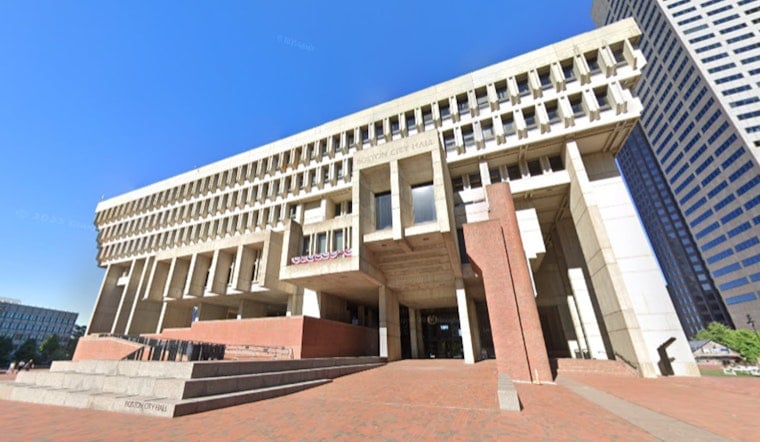
All of this is colliding with budget season. Mayor Wu’s proposed fiscal year 2027 budget forces tradeoffs across city departments, and advocates worry those choices could weaken the Task Force’s work just as the major reports are landing. Reparations supporters rallied at City Hall in May, urging the administration to set aside at least $2 million to keep the panel staffed and meeting regularly. City officials, for now, have stuck to the line that they are “awaiting the recommendations” from the Task Force.
For background on those debates, including details of the rally and advocates’ funding demands, see reporting from Mass Daily News, which has followed how the FY27 budget could affect reparations work.
What to watch next: whether the Task Force actually releases both reports this fall, how extensive and candid the ensuing community briefings turn out to be, and whether the City Council or mayor’s office finds money to move any recommendations toward real implementation. Those steps will determine whether Boston’s reparations push becomes a blueprint for action or ends up as another high-profile study that stalls in political or legal limbo.





