

























































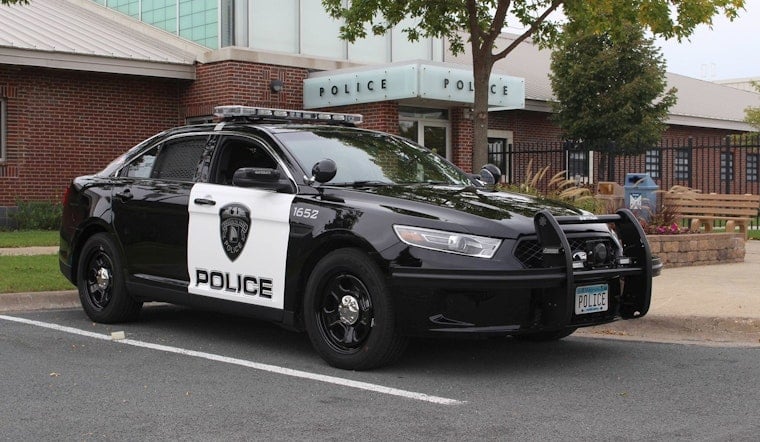
Brooklyn Park police say a growing network of privately owned cameras is shaving hours off emergency response and helping detectives zero in on suspects faster. They point to the manhunt that followed last year’s shootings of state lawmakers as a prime example of how doorbells and driveway cams can suddenly become crucial police tools.
How the program works
The city’s system runs on two tracks. Residents and businesses can either drop a pin for their outdoor cameras on a registration map, or they can go a step further and plug in a small integration device that lets authorized public safety staff see live feeds. Participation is entirely voluntary, and camera owners decide when and what officers can view, according to Brooklyn Park Community Cameras.
Registry growth and claimed impacts
City officials told local reporters that more than 450 cameras are now listed in the registry and that over 230 of those feeds are connected through the integration option. Those figures were provided by the police department this month, according to KSTP. The city has been pushing sign-ups since the program’s launch, after earlier coverage highlighted how the initiative was meant to help investigators move more quickly, as reported by Hoodline in its July 2025 launch story.
Tech behind the feeds
The integration option relies on a small Axon FususCORE box that connects to existing camera systems and funnels video into a secured Fusus platform for approved real-time viewing. “This saves an incredible amount of time for officers and investigators in the event of a crime or missing child,” Officer Matt Rabe said, according to KSTP. Owners can also configure the system so that police access only switches on when there is an active 911 call, the company notes, per Axon.
A real-world test
Officials say the system got a high-stakes test during the 43-hour search for suspect Vance Boelter in June 2025, when doorbell, trail and home cameras helped investigators reconstruct his movements and tighten the search area. Coverage of the manhunt described how privately owned cameras and trail footage fed into the investigation, according to ABC News and the Star Tribune.
Privacy and oversight
City materials and company documents state that the Fusus platform does not use facial recognition and that access is encrypted, logged and limited by the permissions camera owners set. Even so, civil-liberties advocates and some local governments have pushed back. Columbia, Missouri, rejected a Fusus proposal in 2022, and national reporting has raised broader oversight questions around real-time crime centers and large-scale camera networks, according to the San Jose Police Department, KBIA and The Guardian.
What officials want
Brooklyn Park police and city staff are urging residents and businesses to register their cameras and consider integration at busy locations like schools, apartment complexes and retail corridors. The city’s online portal walks people through how to sign up, how to purchase and connect an integration device, and how to set privacy and retention rules so owners keep control over their footage, according to Brooklyn Park Community Cameras.



